
Steel Plant
Industries: Steel Manufacturing
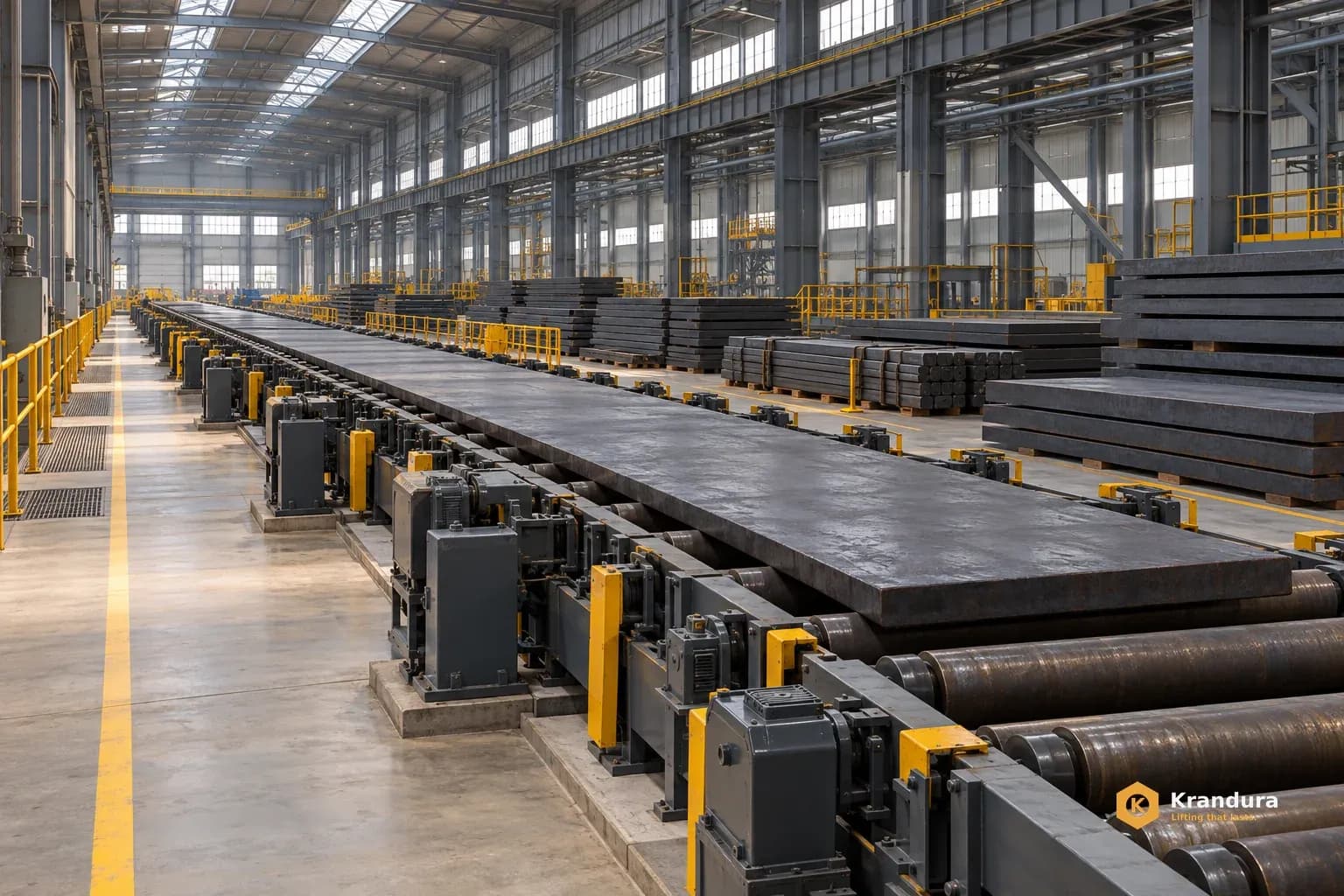
A steel plant needs cranes that stay available under heat, dust and continuous production. This page explains how the duty differs between the meltshop, the casting line and the finishing bays, and which equipment parameters decide the crane you buy.
Where cranes work in a steel plant
- Meltshop and ladle handling — charging, ladle transfer and teeming, where the load is molten metal and the consequence of a drop is severe.
- Continuous casting and billet handling — stacking, transfer and despatch of billets, blooms and slabs at high cycle counts.
- Rolling and finishing bays — coil, plate and section handling, plus maintenance duty for rolls, stands and equipment change-out.
- Yard and storage — outdoor or semi-outdoor storage where a gantry crane removes the need for runway beams.
Operating conditions that shape the design
- Heat and radiant load — cranes working near molten metal or hot product need heat shielding, heat-resistant cable and lubrication, and a defined stand-off from the heat source.
- Dust, scale and fumes — outdoor-grade enclosures, protected panels and a lubrication plan that survives abrasive dust.
- High utilisation — meltshop and casting cranes run far more cycles per hour than a general workshop crane, which moves the duty class and the component selection with it.
- Long travel distances — long bays change the travel drive, the festoon or conductor-bar system and the maintenance access you need.
How the equipment is selected
- Capacity comes from the actual load, not the nominal heat size — ladle plus skull plus attachment, or the heaviest billet bundle.
- Work class is derived from the load spectrum and the number of cycles per hour, then confirmed against the classification standard that applies to your site (FEM 1.001, ISO 4301 or the local equivalent). We do not treat a catalogue class as a substitute for that calculation.
- Span and lift height follow the bay drawing: column spacing, rail level and the clearance needed above the load.
- Safety architecture is set by the material being handled. Molten-metal handling is a separate safety case: standards such as FEM 1.001 place additional requirements on hoisting brakes and redundancy, and the applicable rule for your site must be confirmed before design freeze.
- Heat protection and IP rating are agreed from the measured conditions at the crane bridge, not from a general industry assumption.
What to send with your inquiry
- Capacity, span and lift height — even approximate values are enough to start.
- What is being lifted (ladle, billet bundle, coil, plate) and the approximate weight per lift.
- Cycles per hour or hours per day, and whether the crane runs with a single or dual hoist.
- Site conditions: indoor or outdoor, ambient temperature near the crane, dust or fume exposure.
- Power supply voltage and frequency, control preference (pendant, radio, cabin) and destination port.
Send those details through the quotation form and we will come back with a configuration and the items that still need site confirmation.
Typical Equipment
Products for This Application
All products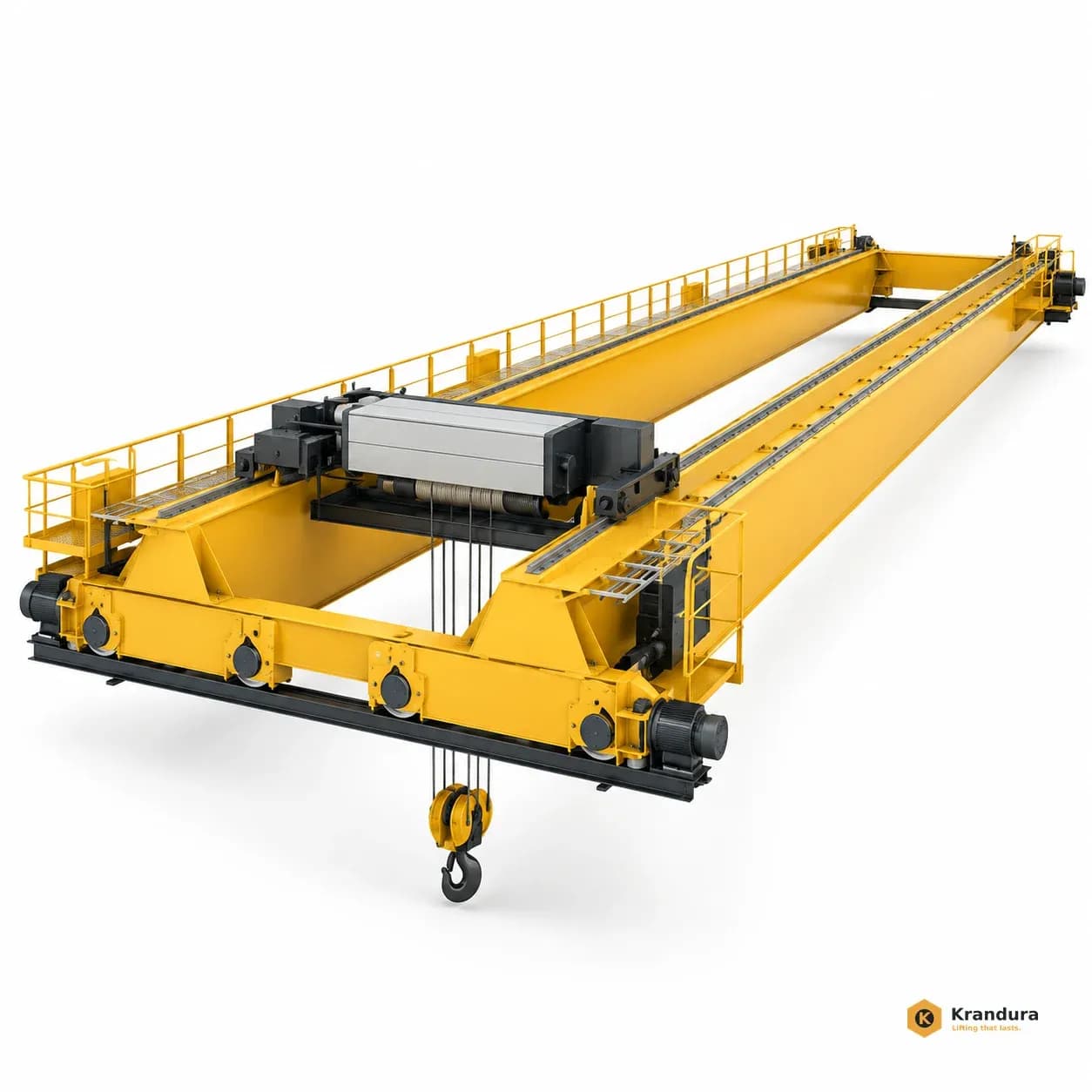
AI-rendered illustration
40t Slag Handling Crane
- Capacity
- 40 t
- Span
- 22 m
- Lift Height
- 13 m
AI-rendered illustration
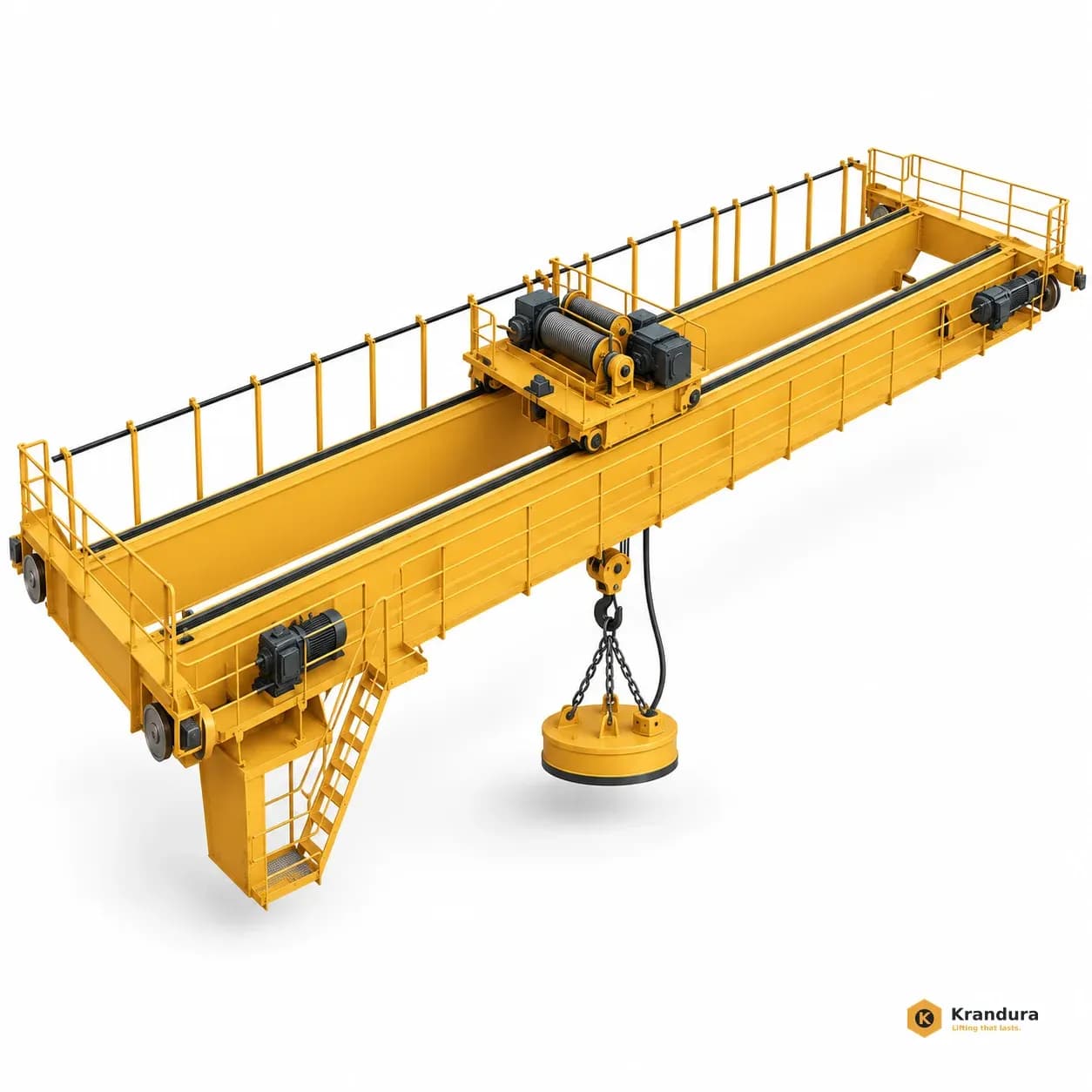
25t Billet Handling Crane
- Capacity
- 25 t
- Span
- 24 m
- Lift Height
- 12 m
AI-rendered illustration
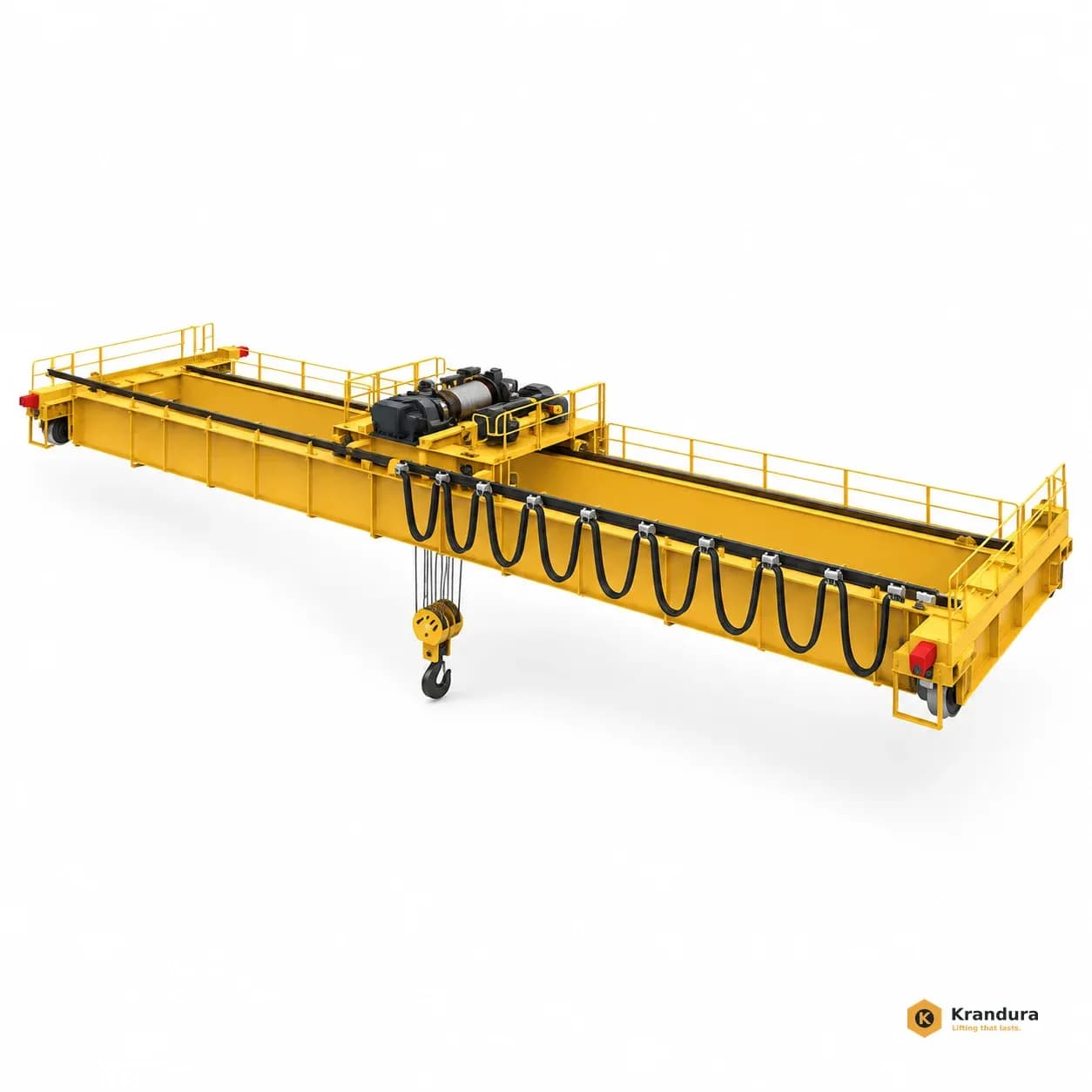
50t Ladle Overhead Crane
- Capacity
- 50 t
- Span
- 25 m
- Lift Height
- 14 m
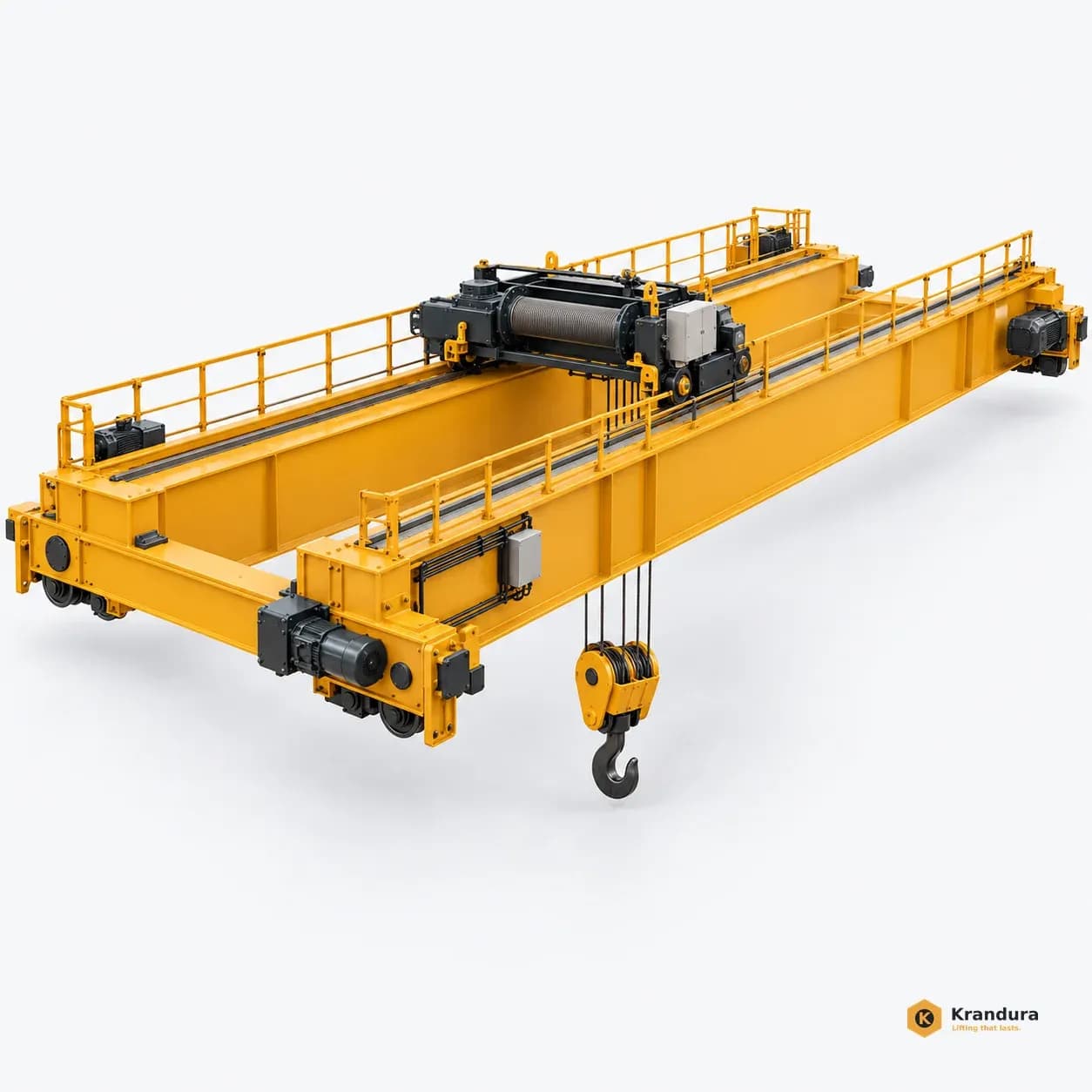
AI-rendered illustration
30t Double Girder Overhead Crane
- Capacity
- 30 t
- Span
- 28 m
- Lift Height
- 12 m
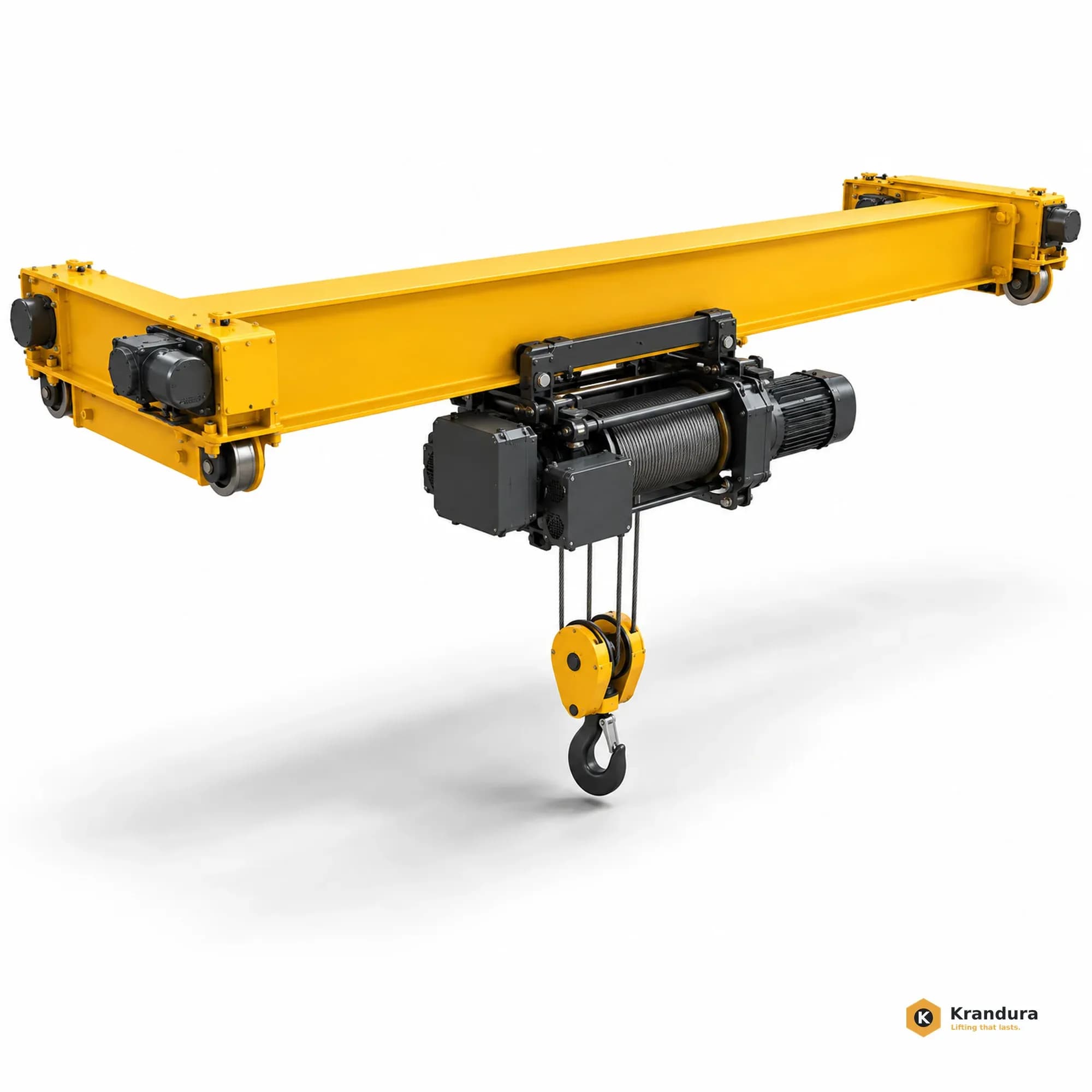
AI-rendered illustration
10t Single Girder Overhead Crane
- Capacity
- 10 t
- Span
- 16.5 m
- Lift Height
- 9 m
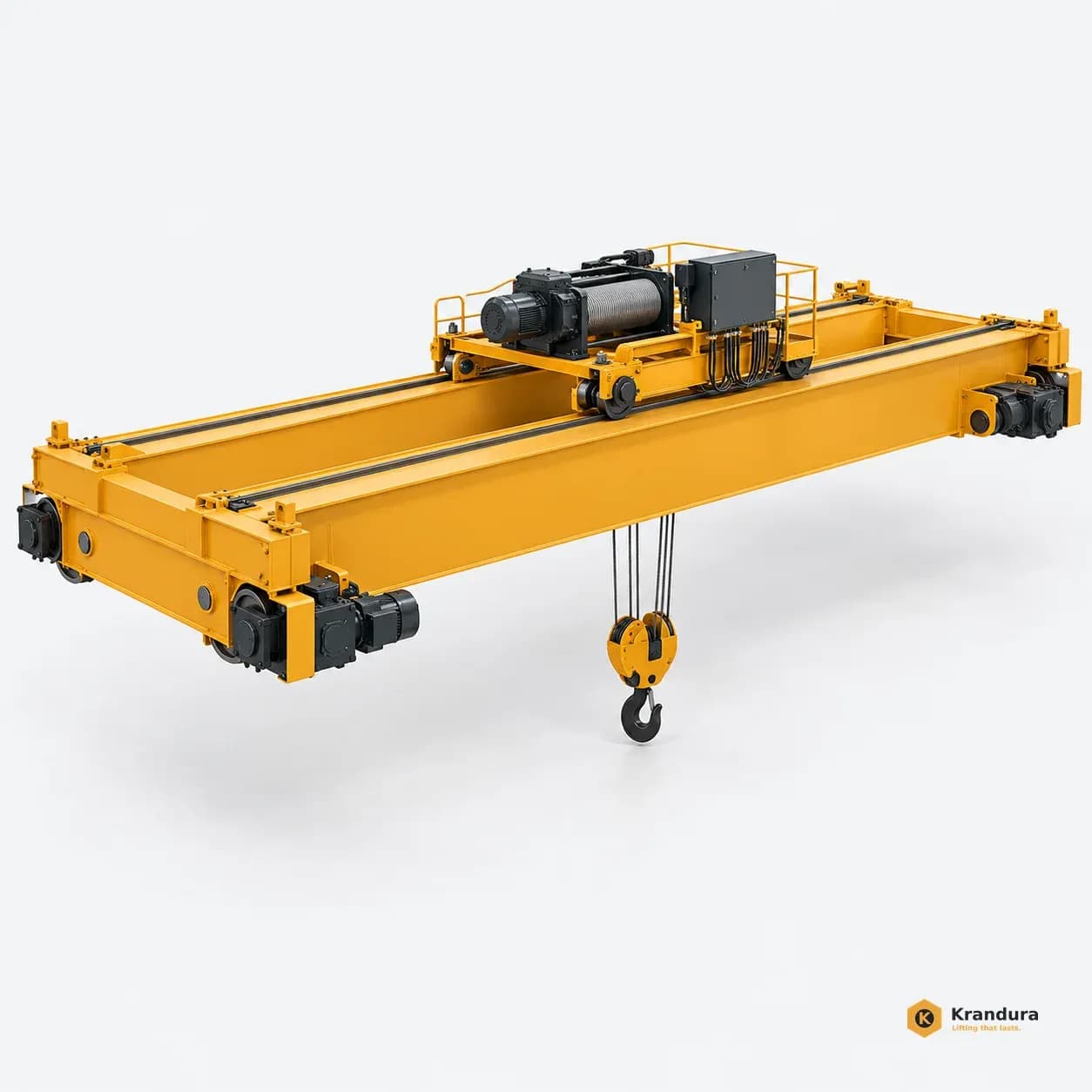
AI-rendered illustration
20t Double Girder Overhead Crane
- Capacity
- 20 t
- Span
- 30 m
- Lift Height
- 10 m
Related Projects
All projectsTurkey · 2025 · illustrative
Turkey Steel Plant — 20t Overhead Crane Project
20t × 30m span, FEM 2M, 2 units
View project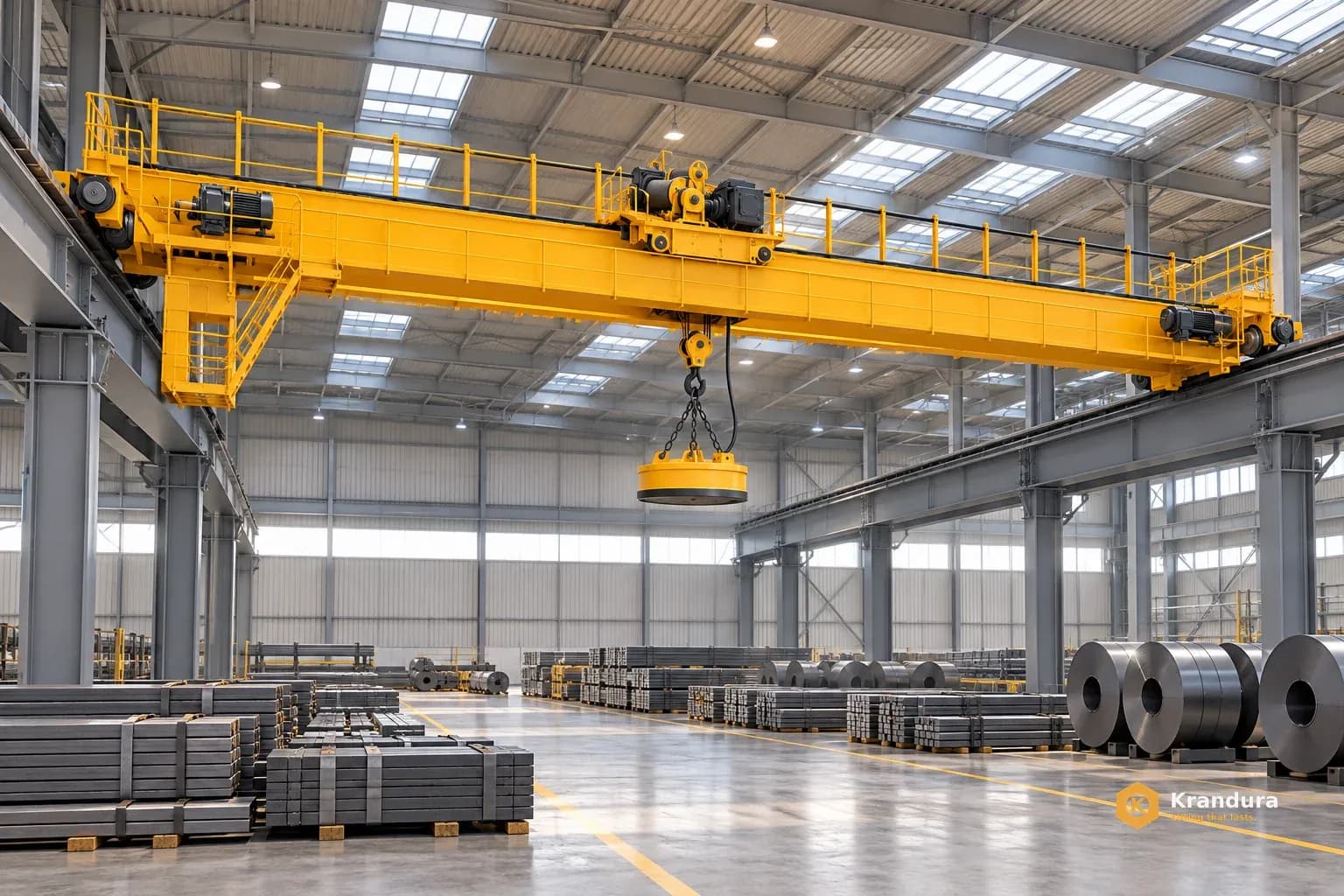
Brazil · 2024 · illustrative
Brazil Steel Service Center — 25t Crane
25t × 24m span, FEM 2M, 2 units
View project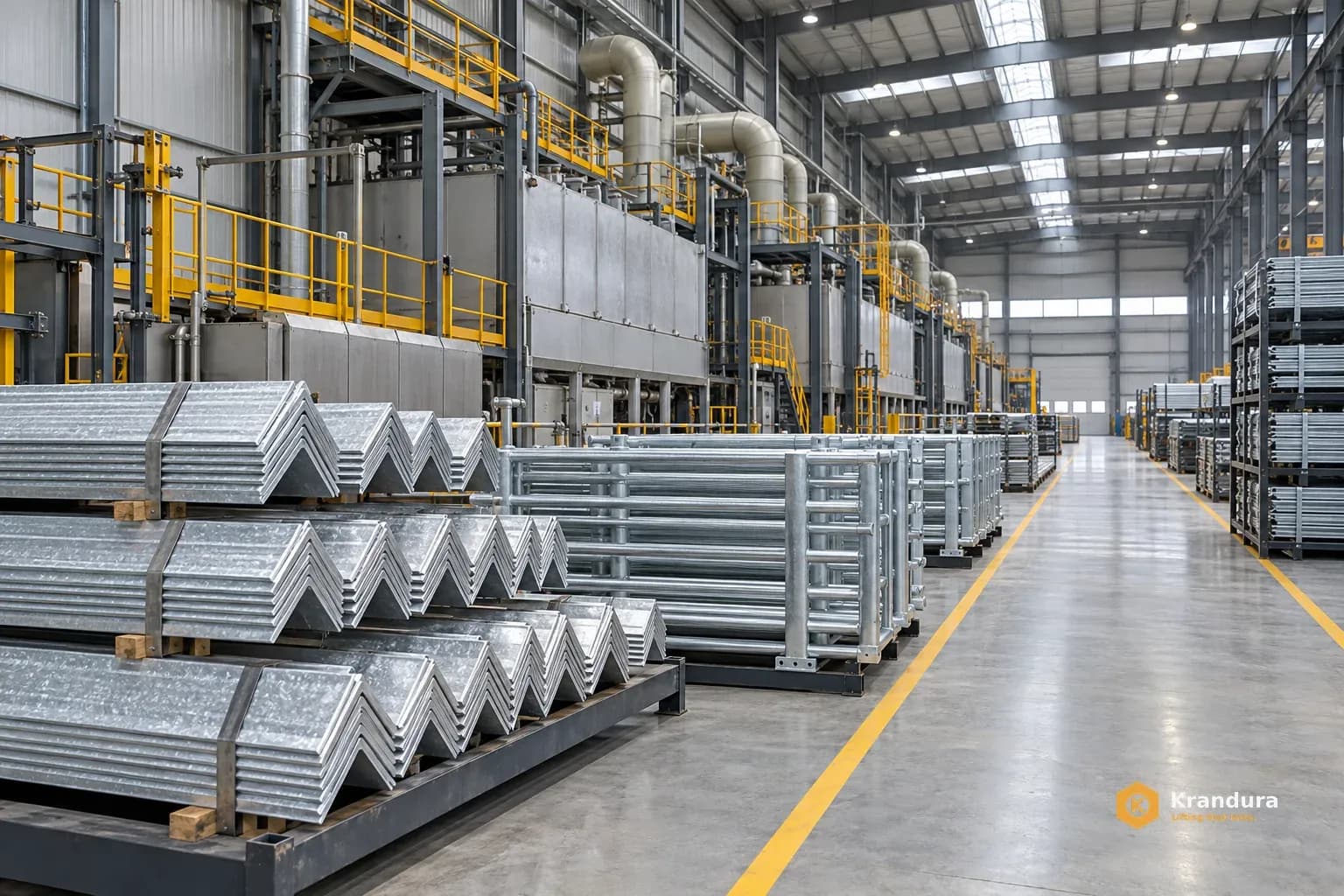
Vietnam · 2024 · illustrative
Vietnam Galvanizing Line — 10t Crane
10t × 22.5m span, FEM 2M, 3 units
View projectTechnical Reading
All articlesPlanning a steel plant project? Send the capacity, span and lift height and we will confirm the configuration.
Request a Quote