Steel plant and foundry
Slag, ladle and charging work by area, and why each area specifies differently.

Portable gantries, jib cranes, electric hoists and overhead cranes for workshops, steel plants, service centres and shipyards. Tell us the load, the space and the working cycle; we confirm the arrangement on the drawing and in the quotation.
A short description of the job is enough to start. Drawings and dimensions can follow. We publish no prices or delivery dates here: both belong in the quotation for your configuration.

Each family page explains which member suits which job and what the installation depends on, before any model is proposed.
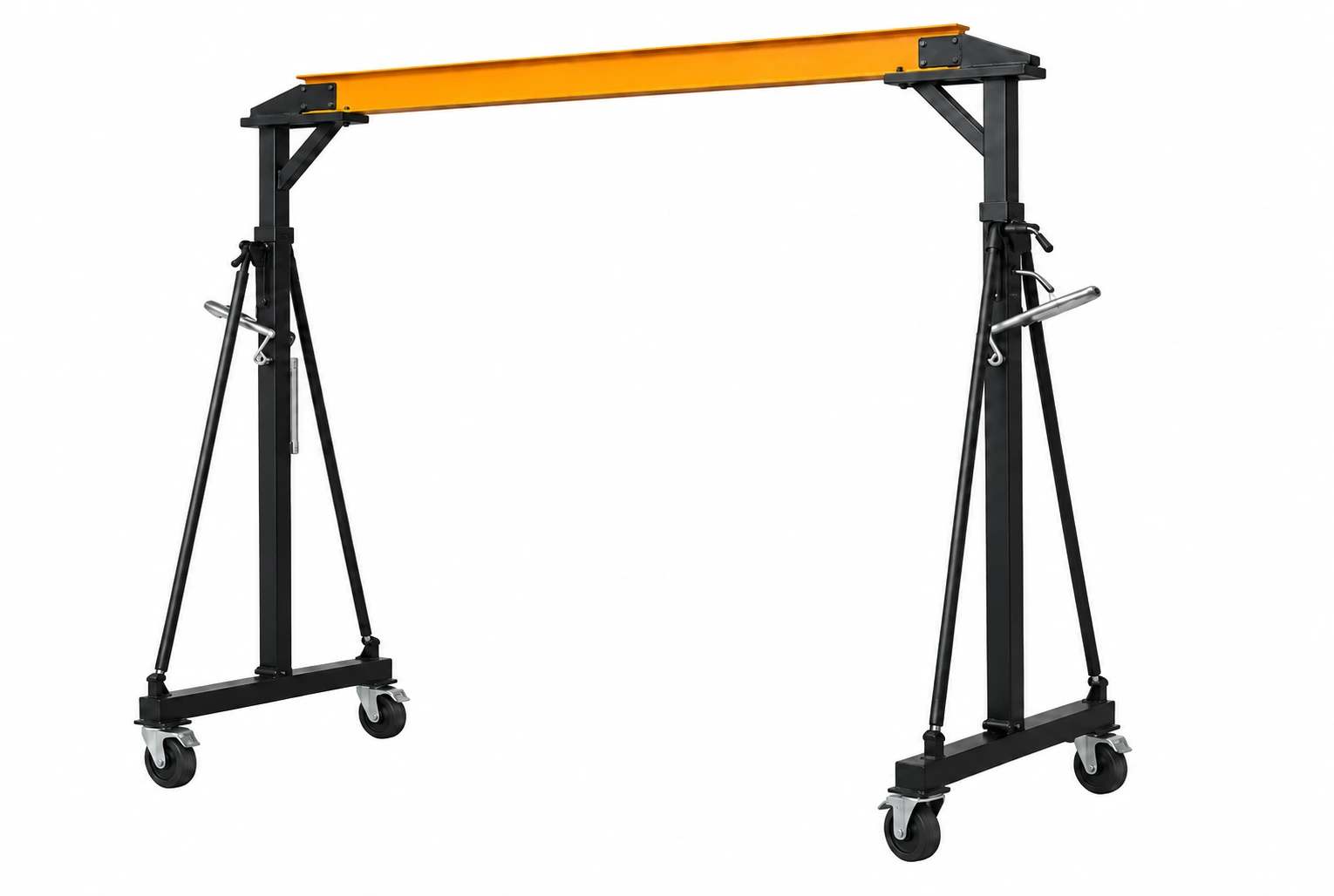
A frame over the load, moved between lifting positions. Compare clear span, working height and travel.
Explore portable gantry crane >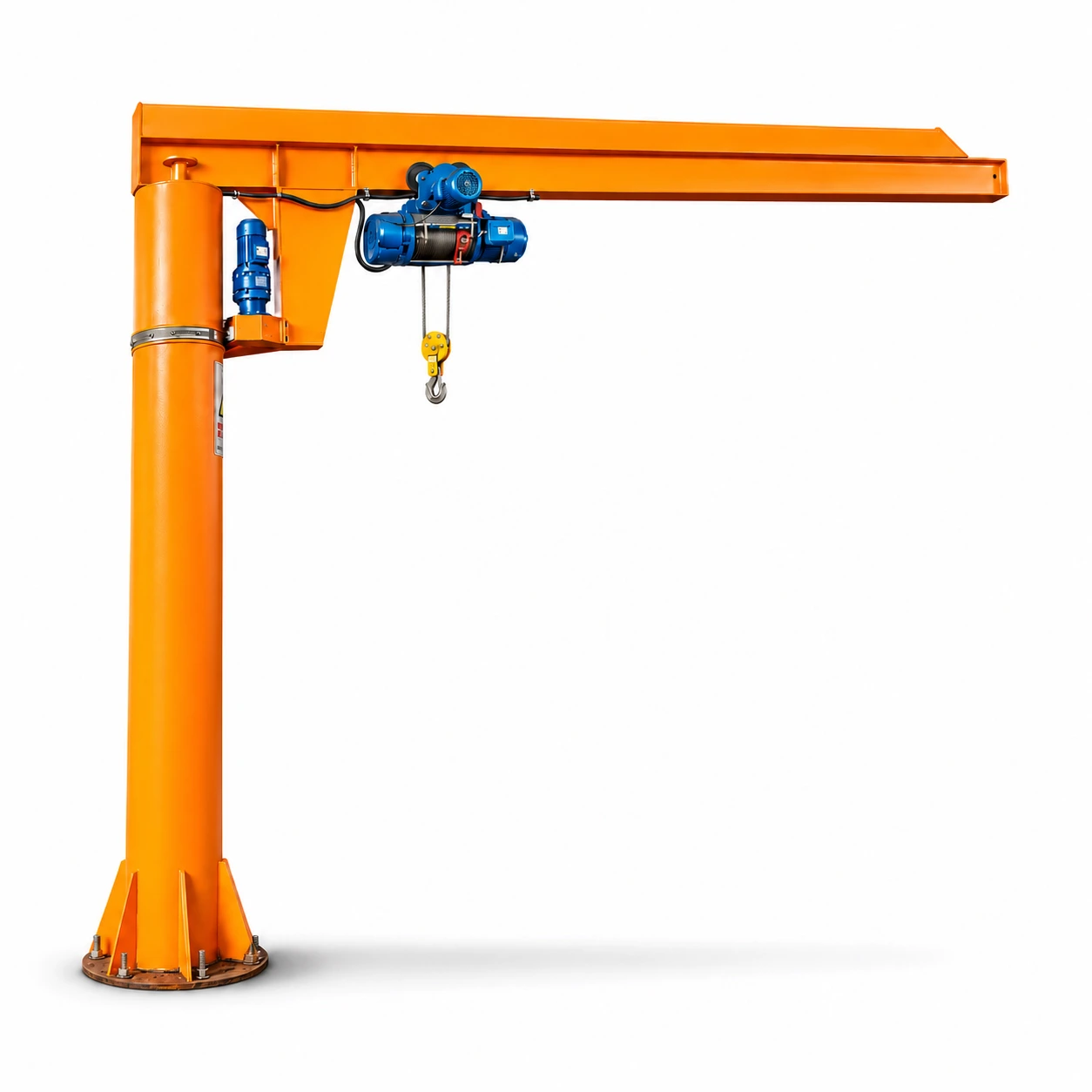
A rotating arm around one workstation. The mounting decides the foundation or the wall bracket.
Explore jib crane >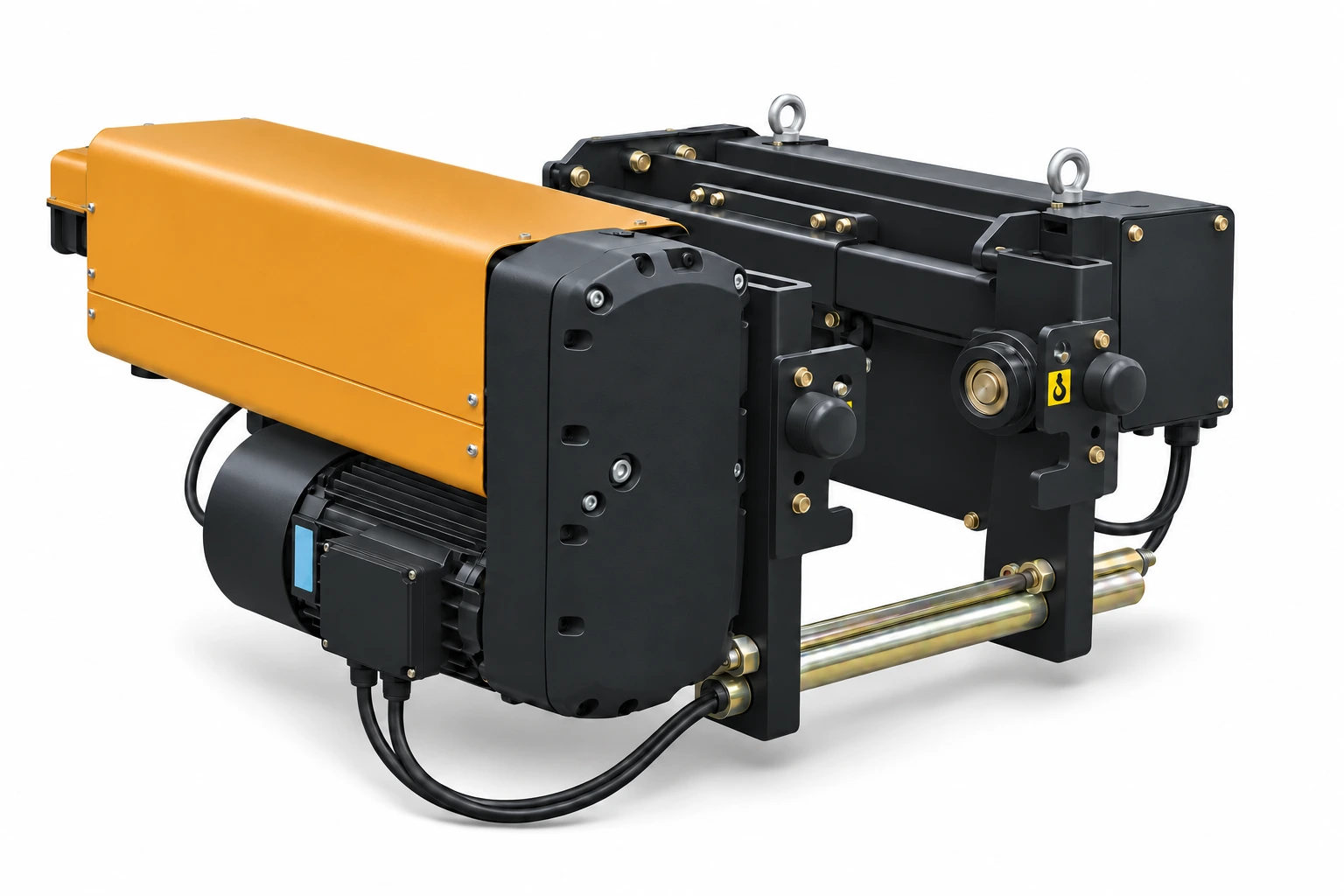
The lifting package and the beam it runs on: fixed, trolley or monorail.
Explore electric hoist >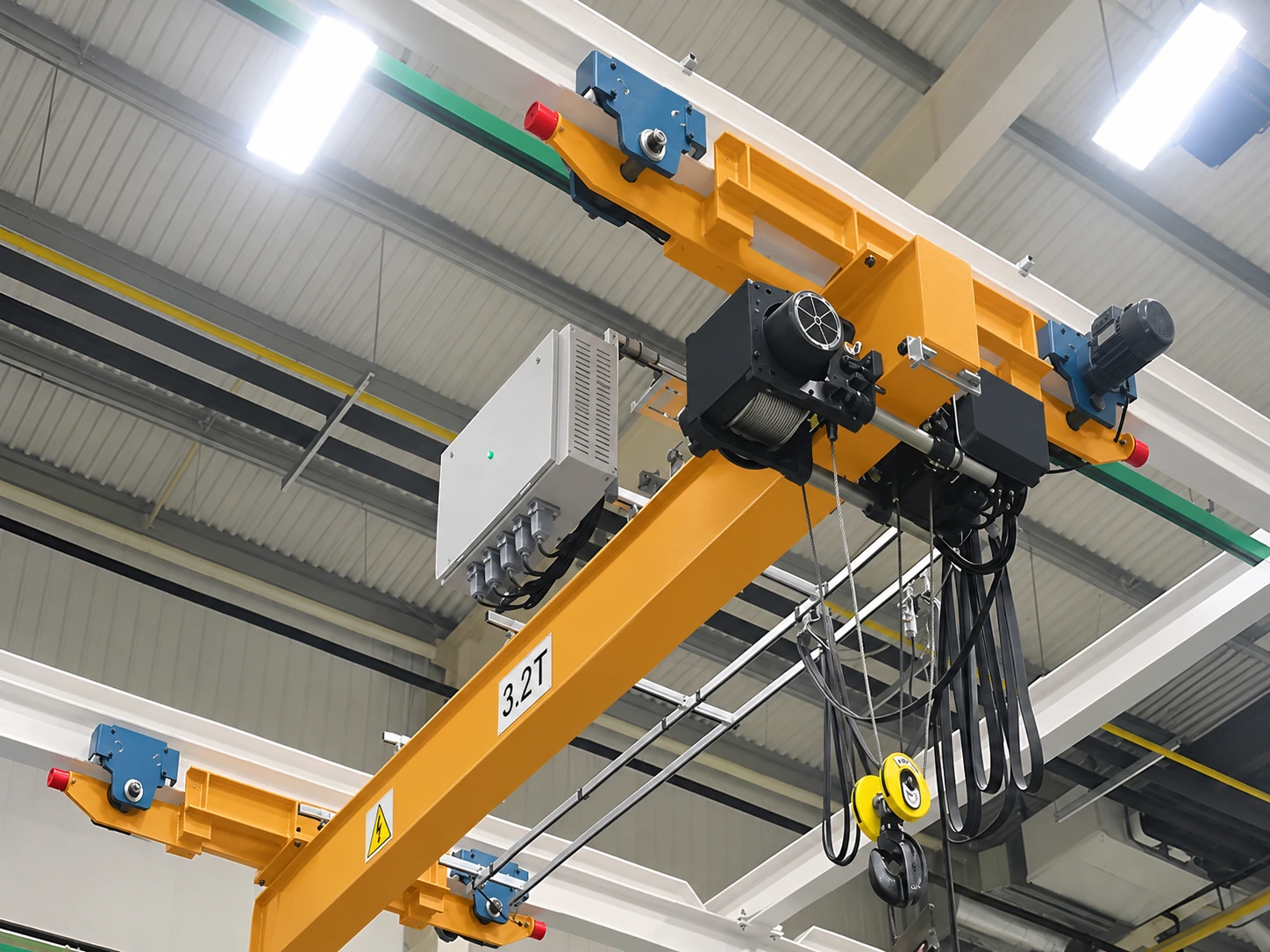
Travel across a bay on runway beams. The building sets the span, the headroom and the wheel loads.
Explore overhead crane >START FROM THE TASK
The same equipment family can be the wrong answer in a different building. These application pages start from the area and the handling cycle, so the arrangement follows the job rather than the catalogue.
HOW AN ENQUIRY WORKS
Load, lifting positions, building or floor, working cycle and destination country. Approximate values are enough for the first reply.
Span or radius, headroom, hook height, duty and the support the equipment hangs from. Missing values become questions, not assumptions.
The proposed arrangement, the drawing, the scope of supply, what is excluded and the documents issued with the equipment.
Commercial figures and delivery dates are not published here: both depend on the specification that the enquiry produces.
The guides on this site are written from published classification logic and general practice, not from a single customer's drawing. Where a value depends on your site, it is left blank and confirmed in the quotation for the ordered unit. Capacity ranges appear only where a series or a quoted configuration backs them; otherwise the page says so.
Illustrations are product views and planning examples, labelled as such. They are not photographs of completed customer installations. Project references are shared only with the customer's permission, and the commercial terms behind them belong to those customers.
Buying for a project? Read how we supply as an overhead crane supplier.
Comparisons, measurement sequences and the questions a quotation has to answer.
What we supply, and what we do not claim: the four equipment families, the industries they are specified for, what is issued with an order, and the claims this site does not make.