
Steel Fabrication & Galvanizing
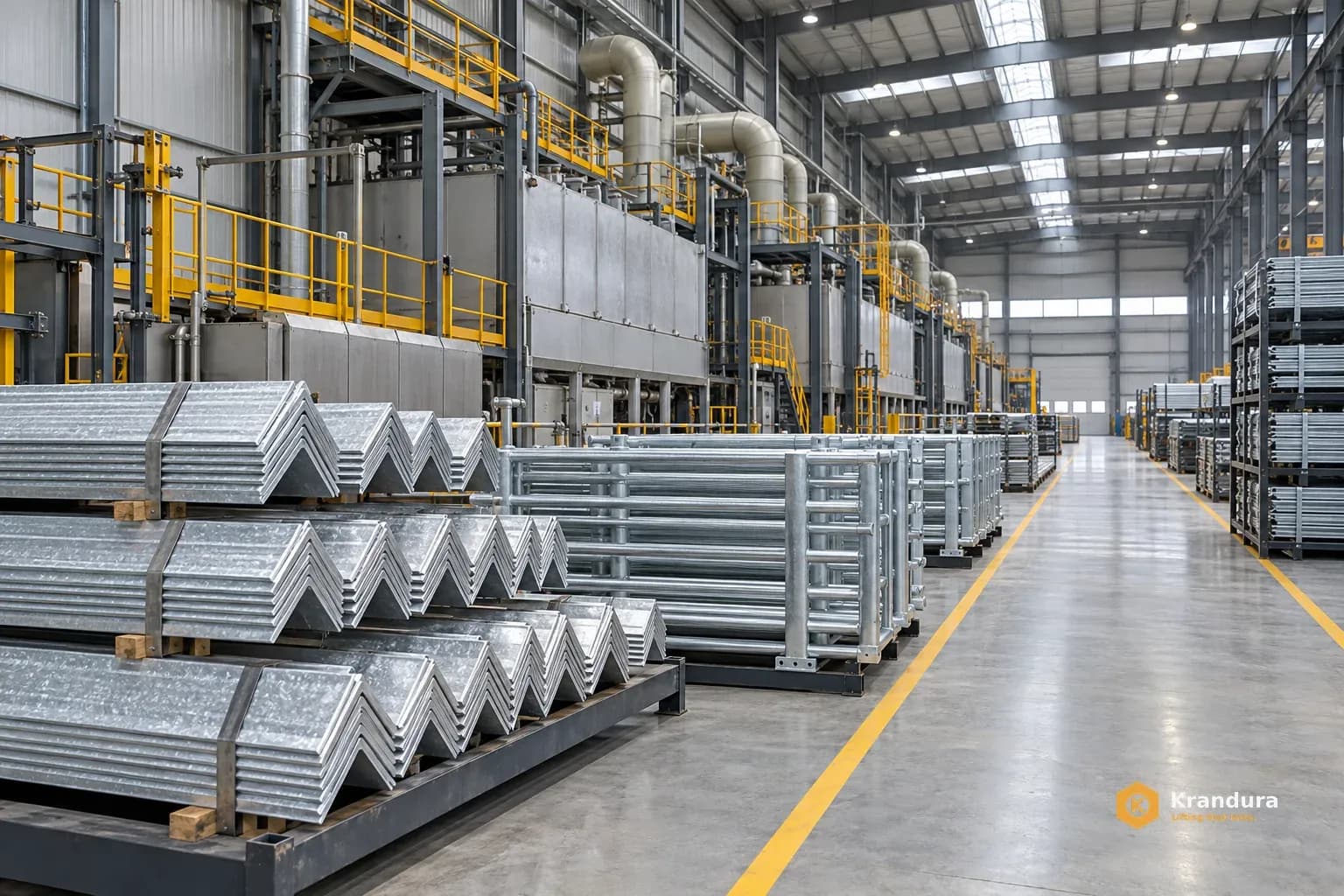
Fabrication and galvanizing shops lift many different shapes at moderate weight, all day, over a layout that changes with the job. Flexibility and coverage matter more than raw capacity.
Where lifting happens in a fabrication shop
- Welding and fit-up bays — positioning beams, frames and assemblies, usually with a jib crane or a single girder overhead crane.
- Shot blasting and preparation — loading and unloading parts before coating.
- Galvanizing and finishing lines — moving racks and baskets through the process, with the cycle time set by the line rather than by the crane.
- Dispatch and loading — stacking and loading finished frames, often outdoors and often with a portable or gantry solution.
Operating conditions that shape the design
- Variable load shapes — long, unbalanced assemblies make a rotating jib or a well-controlled single girder crane more useful than a heavy fixed machine.
- Cycle time set by the process — in galvanizing, the crane has to match the line, so speed and control response matter more than capacity.
- Corrosive atmosphere — galvanizing and pickling areas are aggressive on paint, cables and exposed steel; the protection class should be chosen for that environment.
- Bay layout — column spacing and existing structure decide whether an overhead crane, a jib crane or a hoist on a runway is the practical answer.
How the equipment is selected
- Capacity from the heaviest assembly including the rigging, then checked against the coverage you actually need.
- Coverage — a jib crane covers one workstation, a single girder crane covers the bay, a hoist on a runway covers one line. Choosing the coverage before the capacity usually reduces the cost.
- Work class from cycles per hour; fabrication shops are often lighter duty than they expect, while finishing lines can be heavier.
- Environment — the corrosive exposure of the galvanizing area is confirmed before the protection class and paint system are fixed.
- Structure — for jib cranes, the wall, column or foundation that carries the bracket must be checked; this is the item most often missed.
What to send with your inquiry
- What is lifted, the heaviest weight and the largest dimensions.
- Bay width or working radius you need to cover, and the available height.
- Where the crane will be mounted: new structure, existing columns or an existing runway.
- Cycles per hour, and whether the equipment is indoors or in a corrosive area.
- Power supply, control preference and destination port.
Typical Equipment
Single girder overhead cranePillar jib craneWall-mounted jib craneWire rope hoist
Products for This Application
All products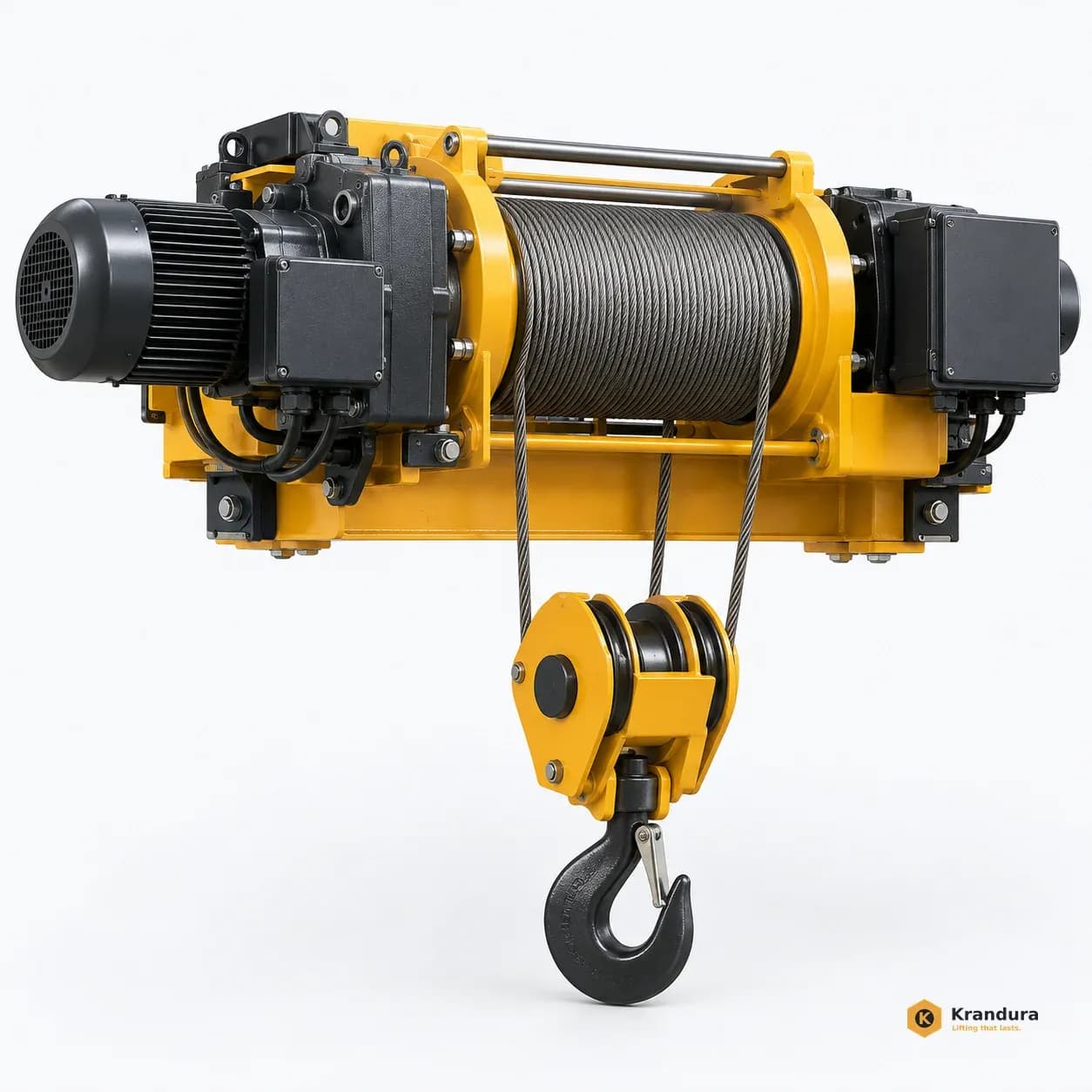
AI-rendered illustration
10t Electric Wire Rope Hoist
- Capacity
- 10 t
- Span
- —
- Lift Height
- 6 m
AI-rendered illustration
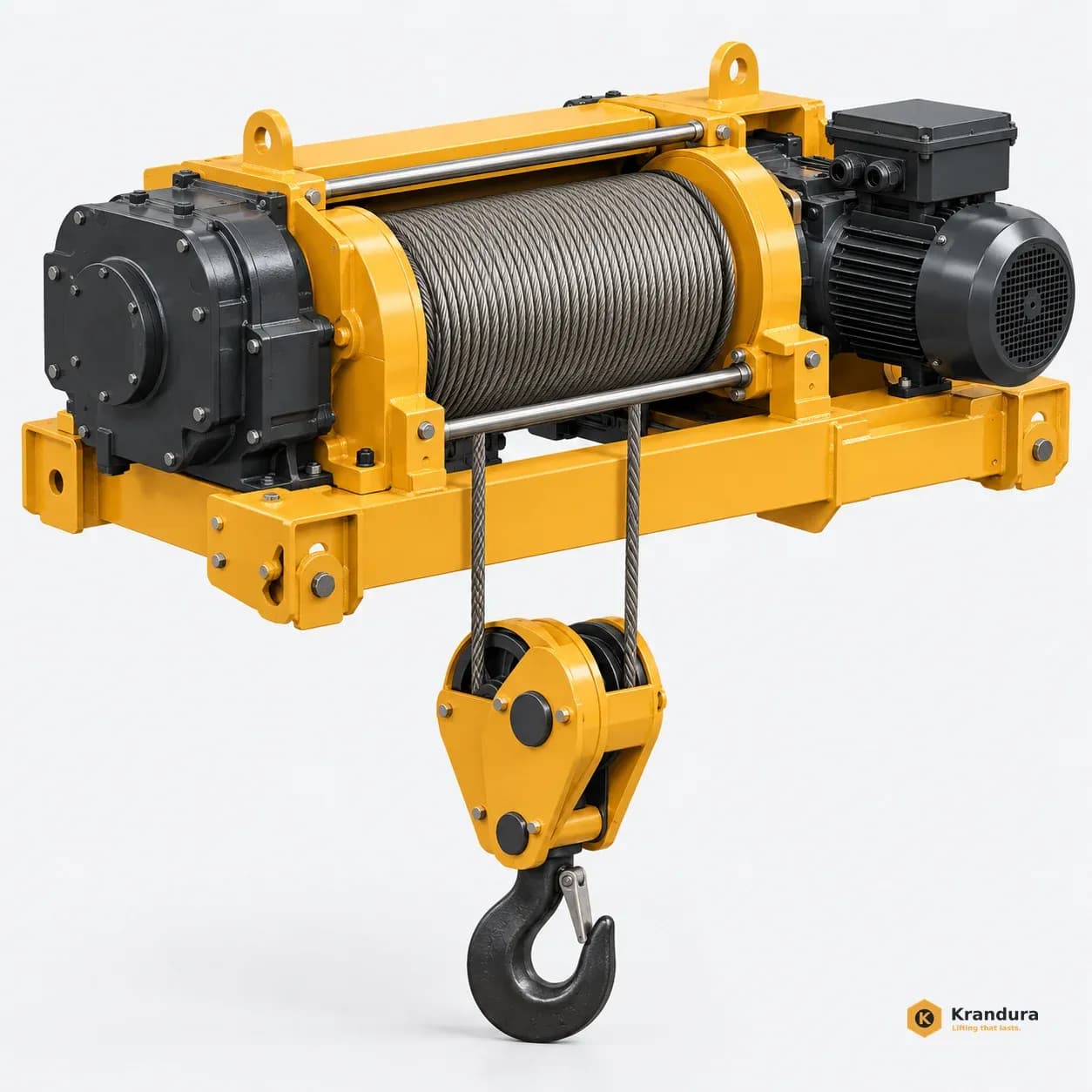
5t Electric Wire Rope Hoist
- Capacity
- 5 t
- Span
- —
- Lift Height
- 6 m
AI-rendered illustration
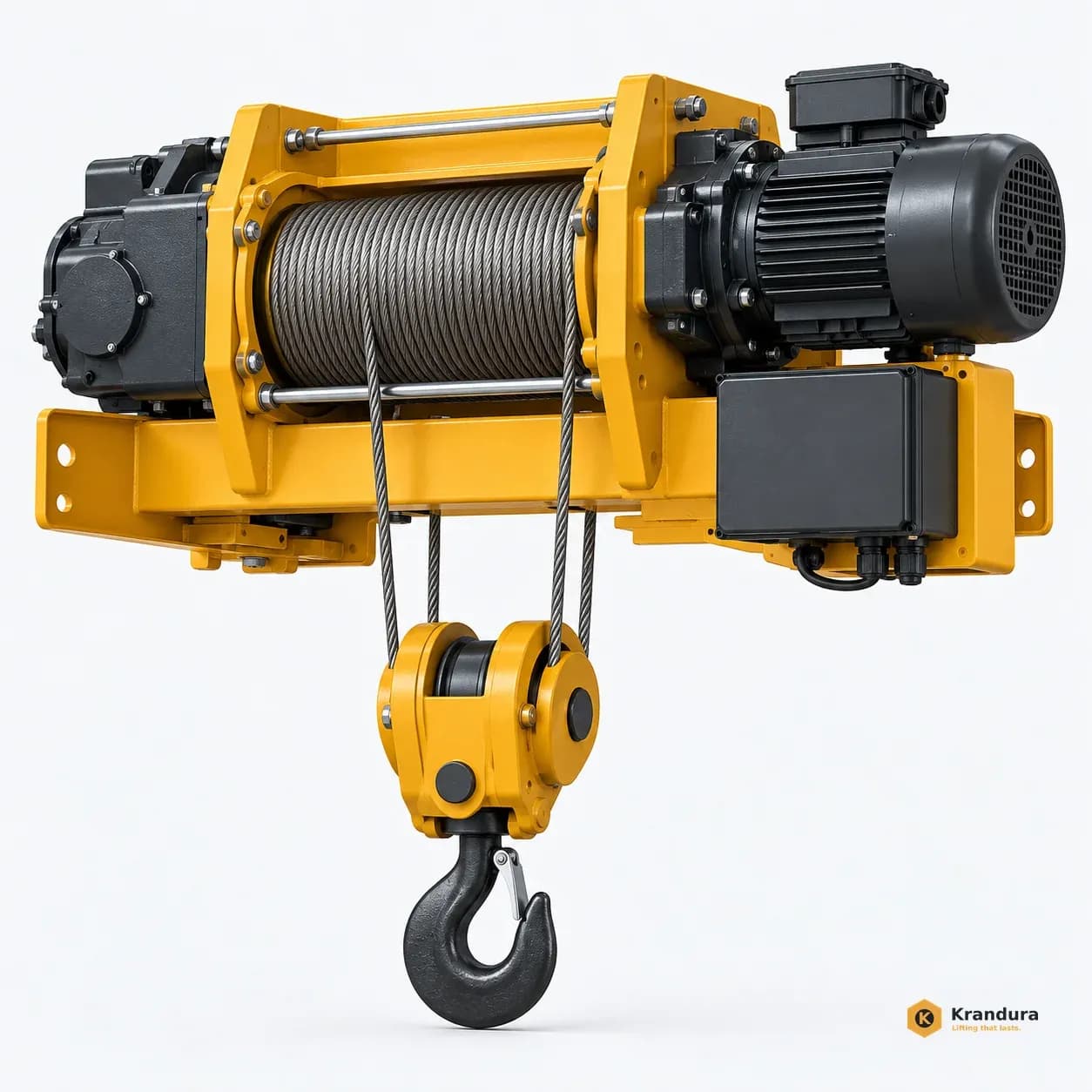
3t Electric Wire Rope Hoist
- Capacity
- 3 t
- Span
- —
- Lift Height
- 6 m
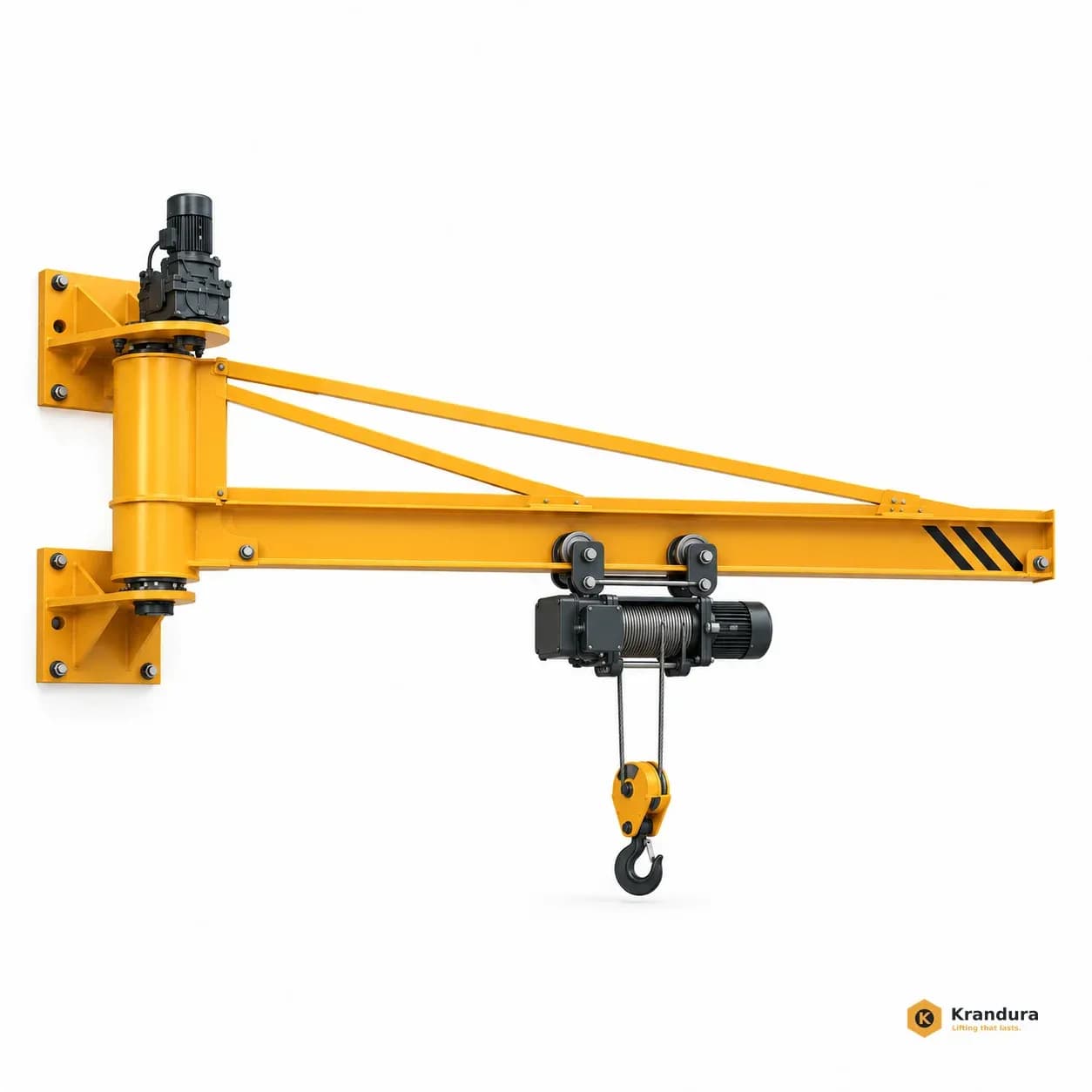
AI-rendered illustration
3t Wall-Mounted Jib Crane
- Capacity
- 3 t
- Span
- —
- Lift Height
- 3 m
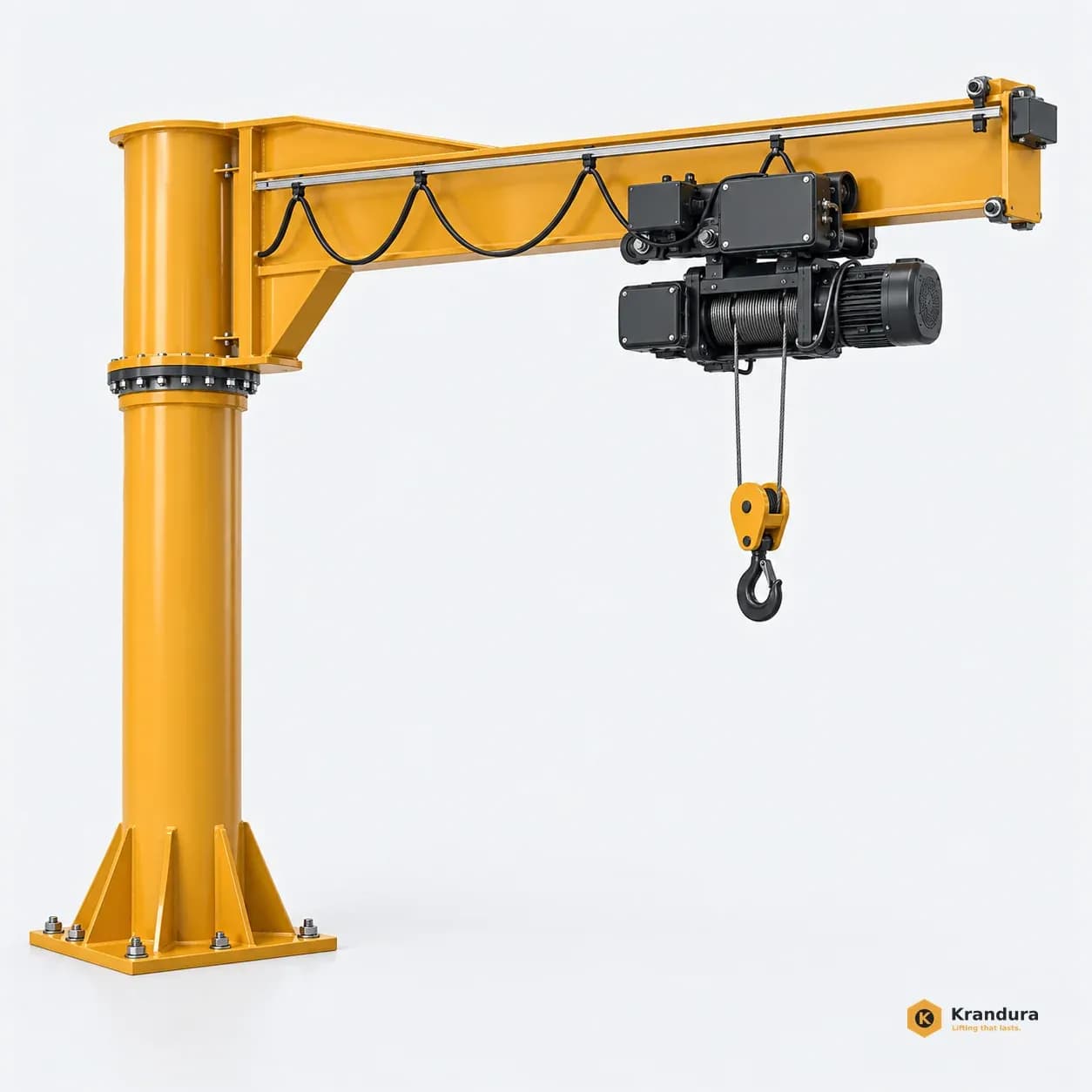
AI-rendered illustration
3t Pillar Jib Crane
- Capacity
- 3 t
- Span
- —
- Lift Height
- 5 m
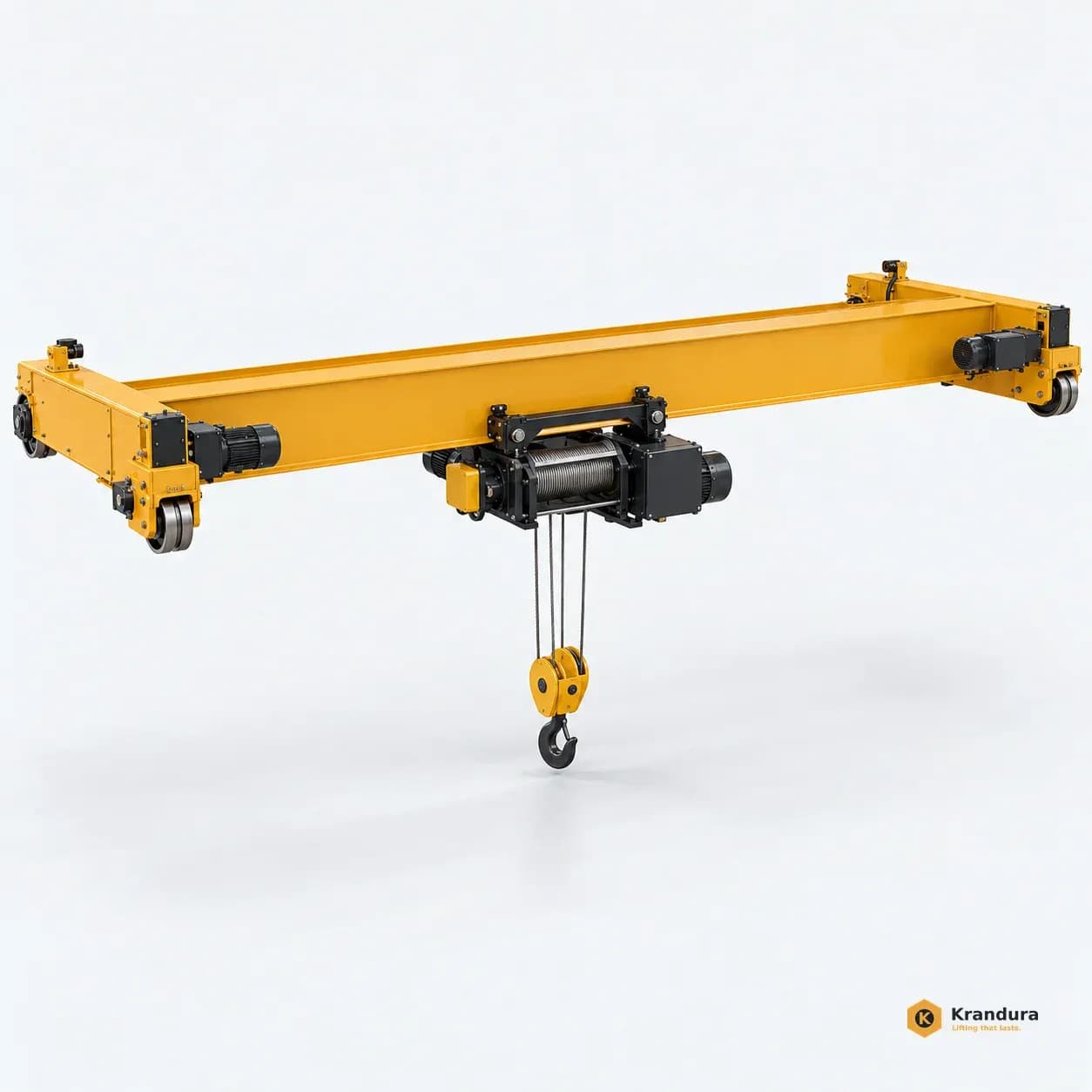
AI-rendered illustration
5t Single Girder Overhead Crane
- Capacity
- 5 t
- Span
- 16.5 m
- Lift Height
- 9 m
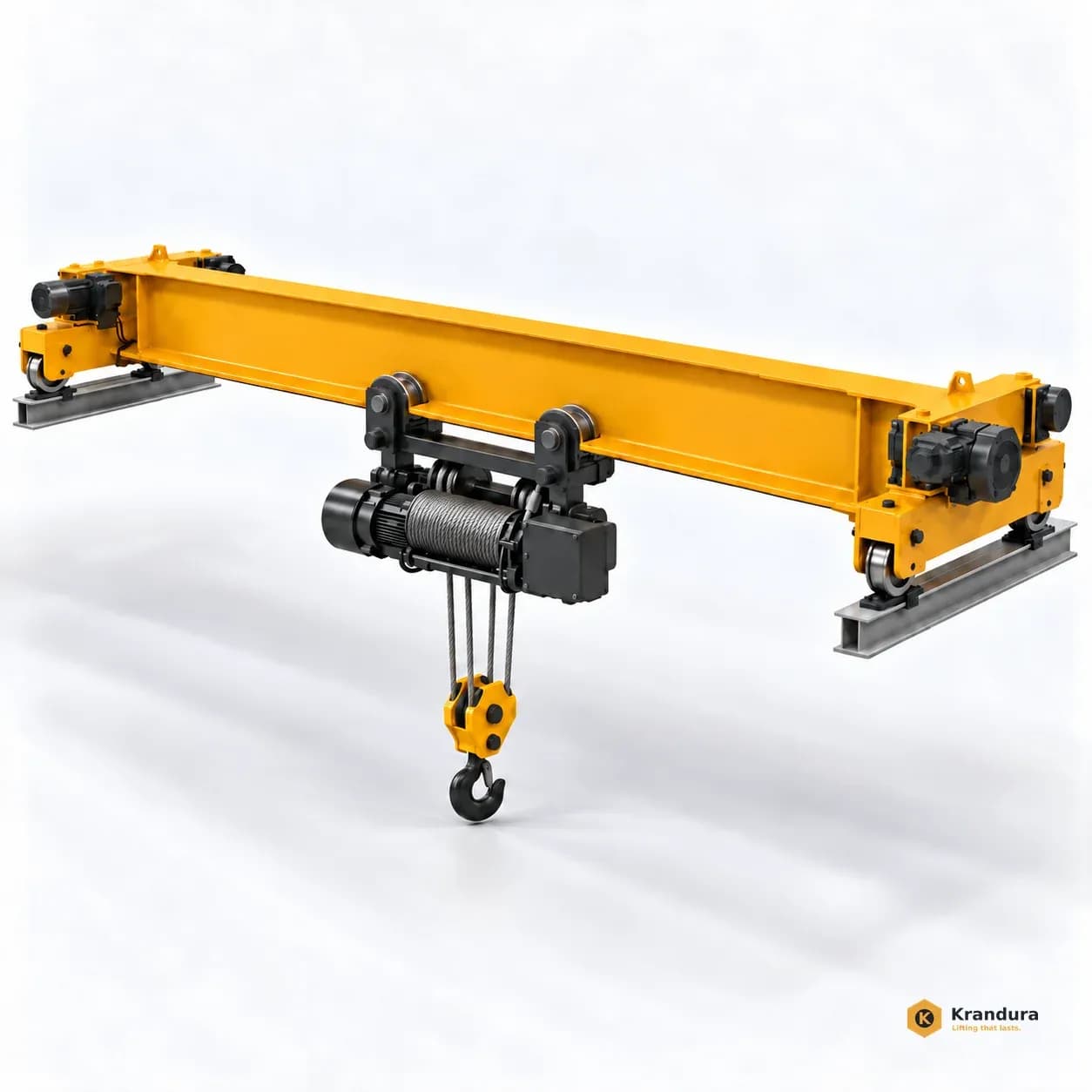
AI-rendered illustration
3t Single Girder Overhead Crane
- Capacity
- 3 t
- Span
- 13.5 m
- Lift Height
- 9 m
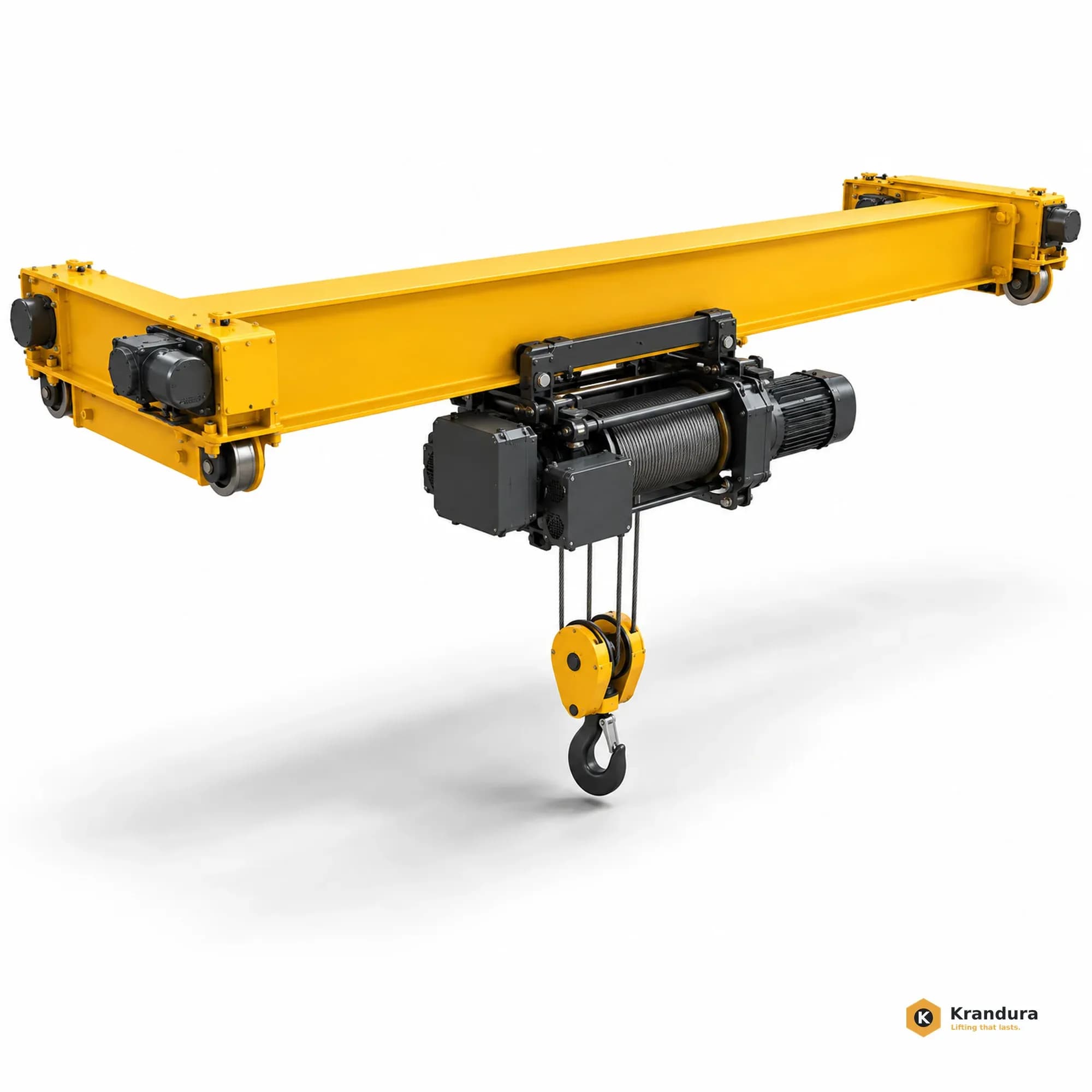
AI-rendered illustration
10t Single Girder Overhead Crane
- Capacity
- 10 t
- Span
- 16.5 m
- Lift Height
- 9 m
Related Projects
All projectsPlanning a steel fabrication & galvanizing project? Send the capacity, span and lift height and we will confirm the configuration.
Request a Quote