
Shipyard
Industries: Shipbuilding
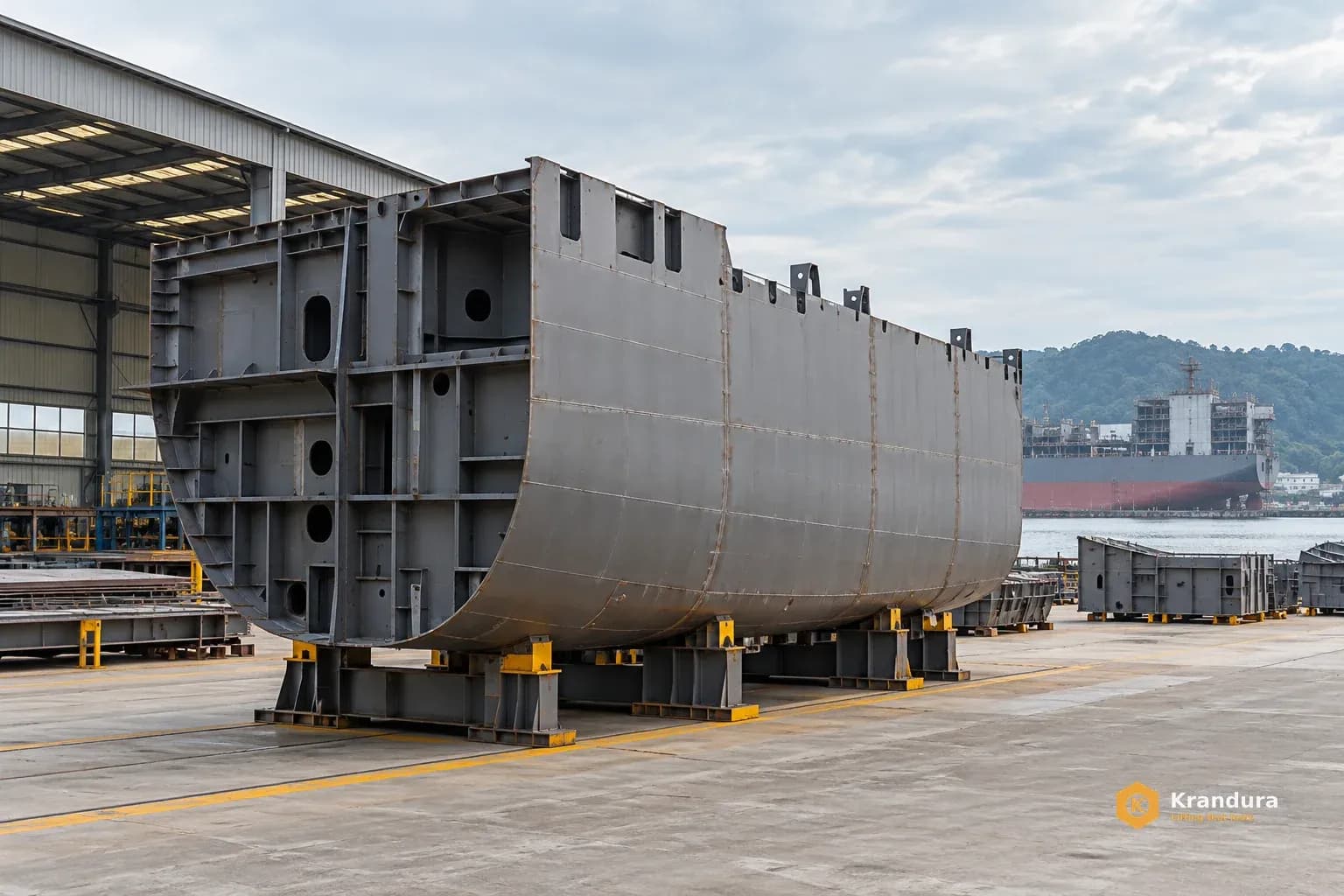
Shipyards lift large, awkward blocks in the open air, often with two cranes on the same load. Span, hook height and wind resistance decide the machine long before lifting capacity does.
Where cranes work in a shipyard
- Block assembly and erection — handling hull blocks and sub-assemblies, frequently as a tandem lift with a second crane.
- Outfitting and pipework — moving equipment and modules into a hull that is already closed in.
- Plate and profile storage — yard handling of steel plate, profiles and pre-fabricated parts.
- Dockside service — maintenance lifting on the quay and in the fabrication shed.
Operating conditions that shape the design
- Outdoor wind load — a large, lightly loaded block acts as a sail. The crane structure, brakes and anchoring scheme are sized for the wind case agreed for the site.
- Very large spans — hull widths and yard layouts push spans beyond typical workshop practice, which changes the girder design and the wheel loads.
- Tandem and dual-hook lifts — blocks that are too heavy or too long for one crane need either a coordinated tandem lift or a dual-trolley machine.
- Ground or rail conditions — a gantry solution avoids runway beams but puts the load into the track foundation and the yard surface.
How the equipment is selected
- Capacity from the heaviest block plus rigging, and separately the capacity needed at the maximum working radius or tandem configuration.
- Span and hook height from the hull width and the highest point the load must clear — including the hook block and rigging height, which is often the real constraint.
- Wind case agreed with the site: the crane is designed to a defined in-service and out-of-service wind condition.
- Tandem lifting decided early, because it changes the control system, the load display and the structural rating.
- Foundation or runway — a gantry crane needs a track and yard-bearing assessment; an overhead crane needs runway beams and column loads.
What to send with your inquiry
- Heaviest block weight, block dimensions and whether tandem lifting is planned.
- Span and the hook height required above the ground or the dock level.
- Indoor shed or open yard, and the wind exposure of the site.
- Track or runway situation: is there an existing rail, or is a new foundation needed?
- Power supply, control position (ground, cabin or radio) and destination port.
Typical Equipment
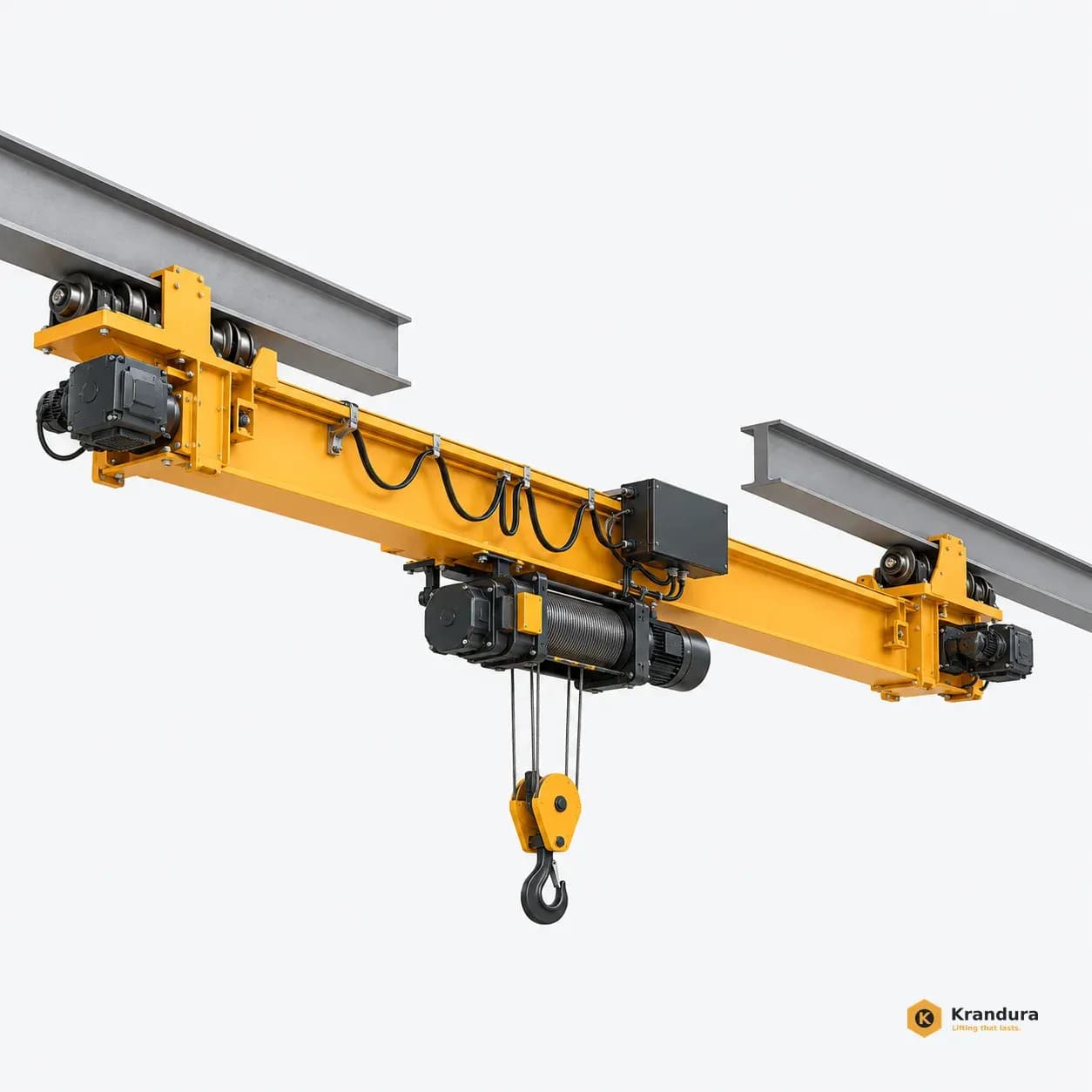
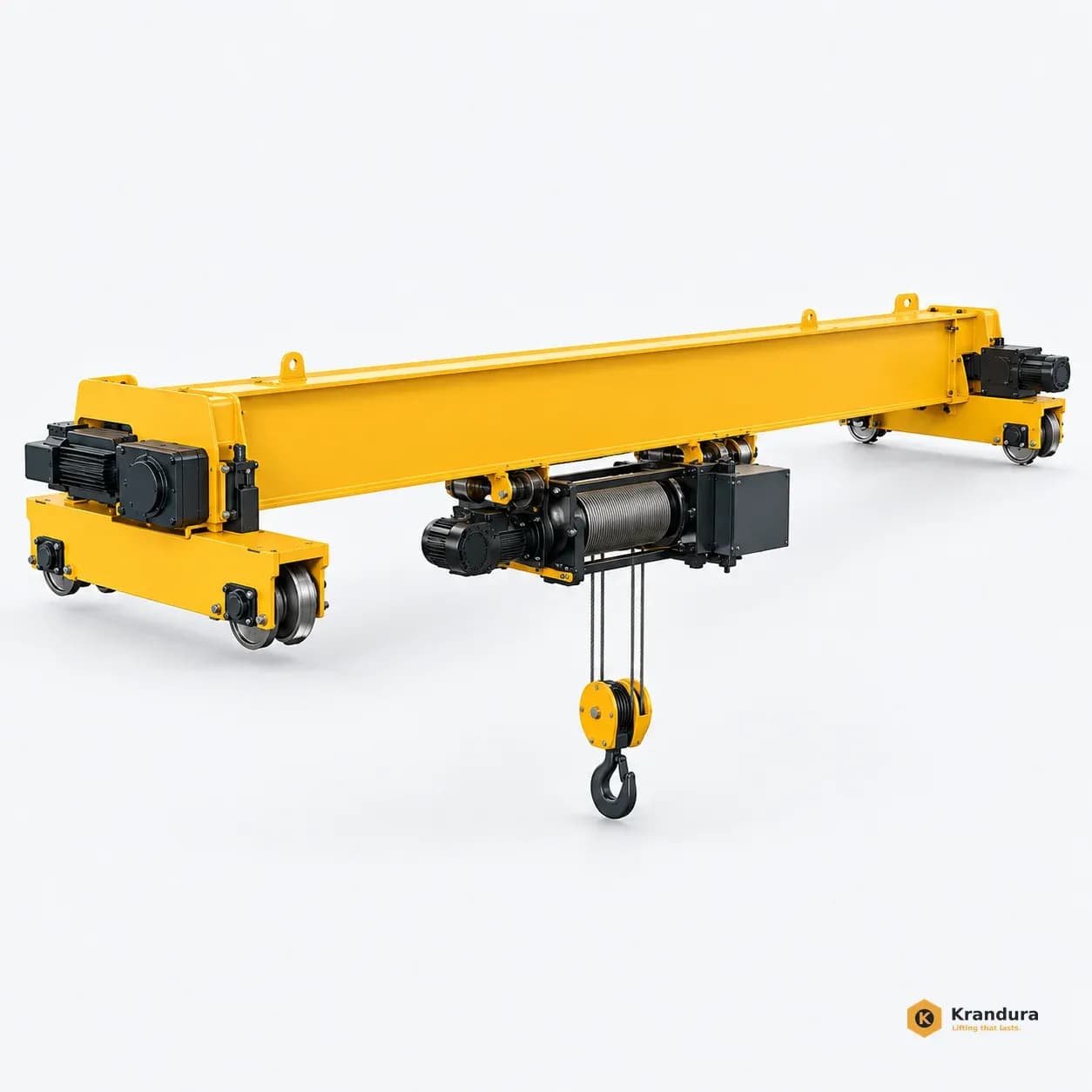
Gantry craneOverhead craneUnderslung craneBlock handling crane
Products for This Application
All products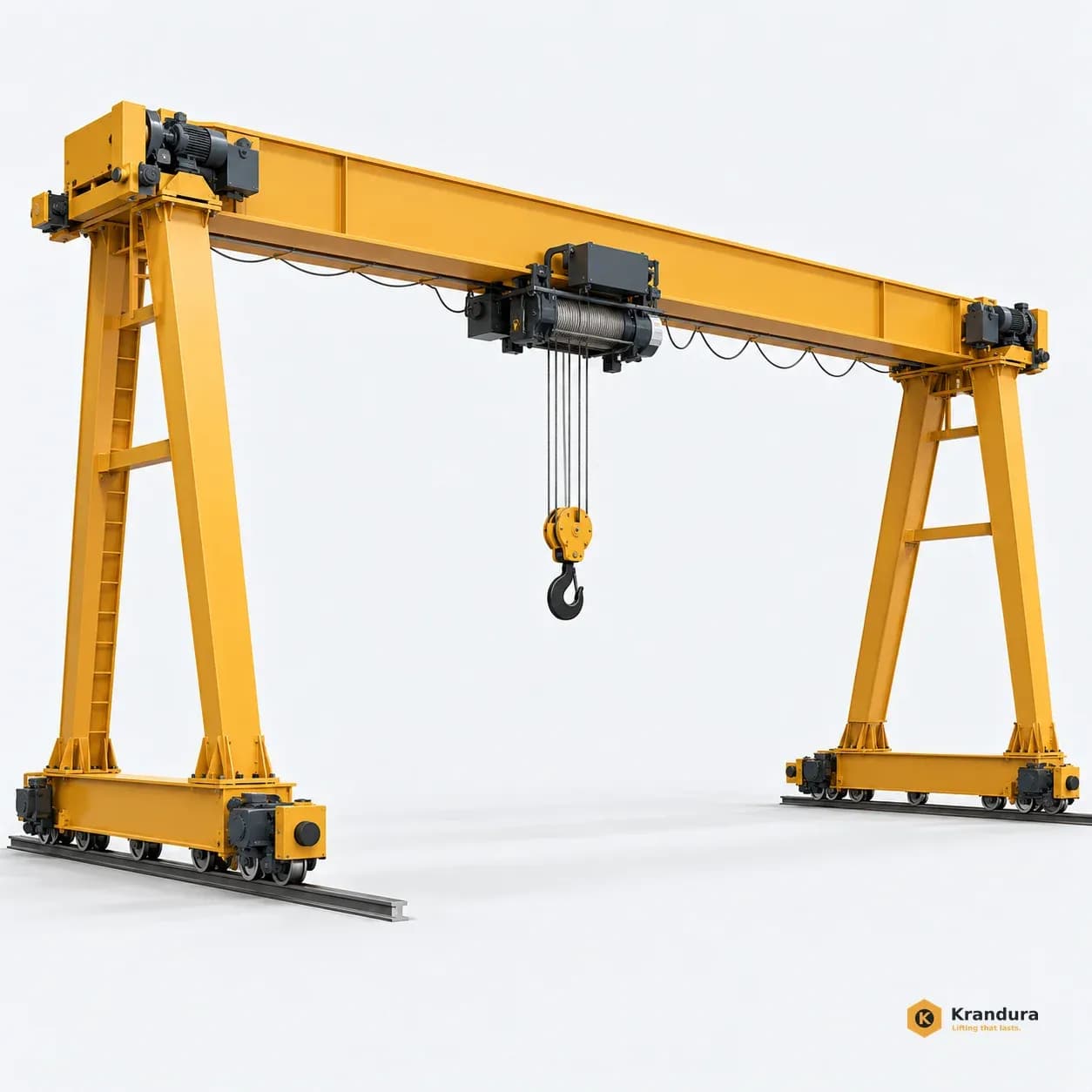
Related Projects
All projectsTechnical Reading
All articlesPlanning a shipyard project? Send the capacity, span and lift height and we will confirm the configuration.
Request a Quote