
Foundry
Industries: Foundry & Metal Casting
A foundry crane is judged by how precisely and how reliably it handles molten metal and moulds in a hot, dusty environment. This page sets out the duty, the conditions and the parameters that decide the configuration.
Where cranes work in a foundry
- Melting and pouring — handling the ladle or pouring vessel, where smooth, slow hoisting and accurate positioning matter more than speed.
- Mould handling — placing and removing mould boxes and cores, often at high repeat counts.
- Shakeout and sand handling — duty in the dirtiest part of the plant, where sealing and lubrication decide availability.
- Finishing and despatch — lifting castings, patterns and tooling, usually with a lighter duty class.
Operating conditions that shape the design
- Radiant heat — the crane bridge and hoist see heat from the ladle and from freshly poured moulds; heat shielding, cable insulation class and lubrication intervals follow from the measured temperature.
- Dust and sand — abrasive dust is the main cause of premature component wear. Enclosure rating and the lubrication plan are availability decisions, not options.
- Precision at low speed — pouring needs a controlled slow hoist and a control system that lets the operator stop without jogging the ladle.
- Continuous shifts — foundry duty is usually heavier than general workshop duty, so the work class moves up with it.
How the equipment is selected
- Capacity from the heaviest ladle or mould box including the attachment, not from the nominal furnace size.
- Work class from the load spectrum and cycles per hour, then confirmed against FEM 1.001, ISO 4301 or the standard that applies to your site.
- Hoisting speed range to suit pouring: a slow, stable creep speed with positive control, rather than a high main speed.
- Heat and dust protection agreed from the actual conditions at the crane, including cable and control-panel protection.
- Safety architecture for molten-metal handling: where the load is molten, standards such as FEM 1.001 add requirements on hoisting brakes and redundancy. Confirm the applicable rule for your plant before design freeze.
What to send with your inquiry
- Capacity, span and lift height, plus what is being handled (ladle, mould box, casting).
- Pouring duty: how often the crane pours, and the slowest speed you need to be comfortable with.
- Ambient temperature at the crane bridge and any fume or dust extraction already in place.
- Cycles per hour, shifts per day and whether the crane is in a single or duplicated bay.
- Power supply, control preference and destination port.
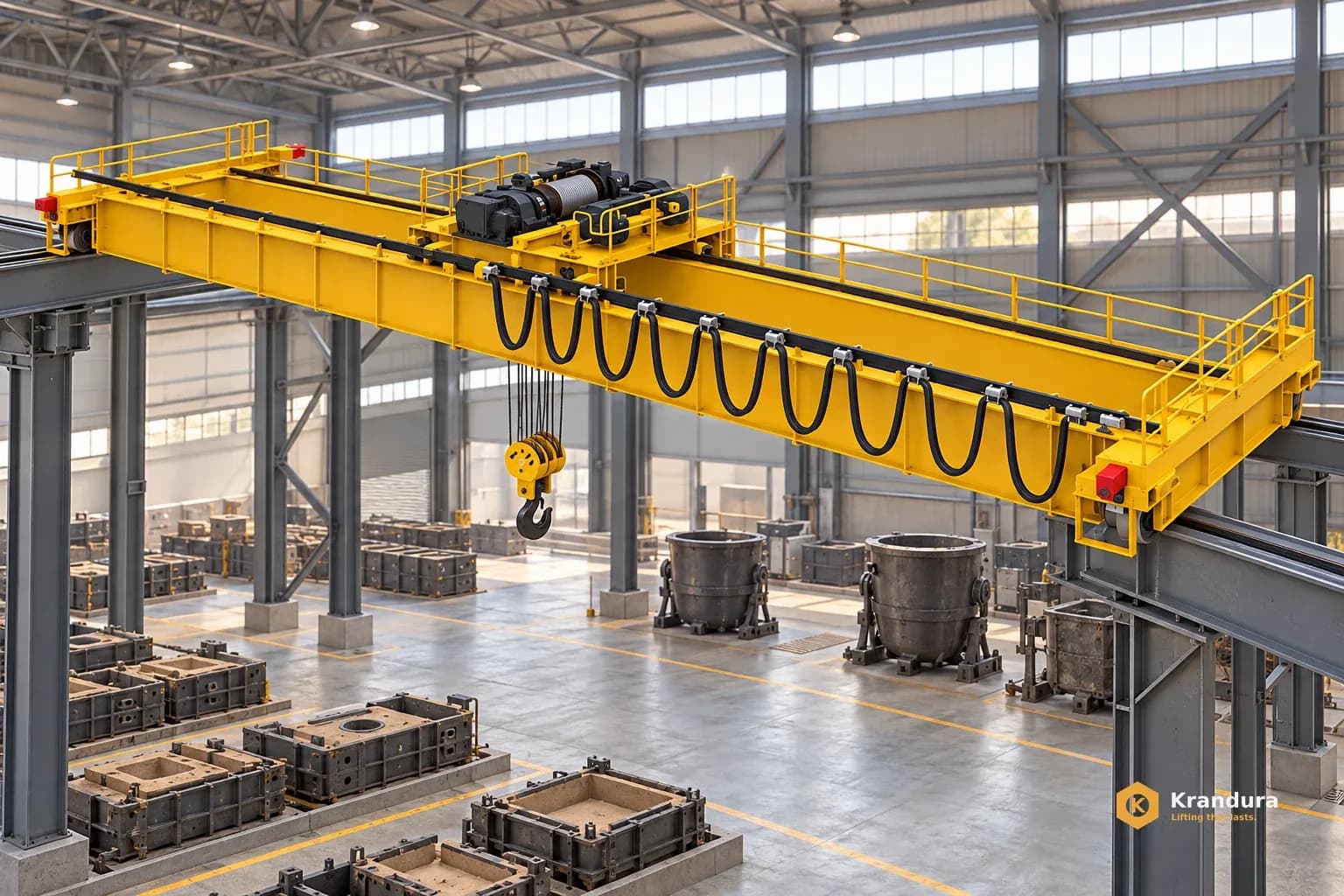
Typical Equipment
Foundry craneLadle craneOverhead craneMould handling crane
Products for This Application
All products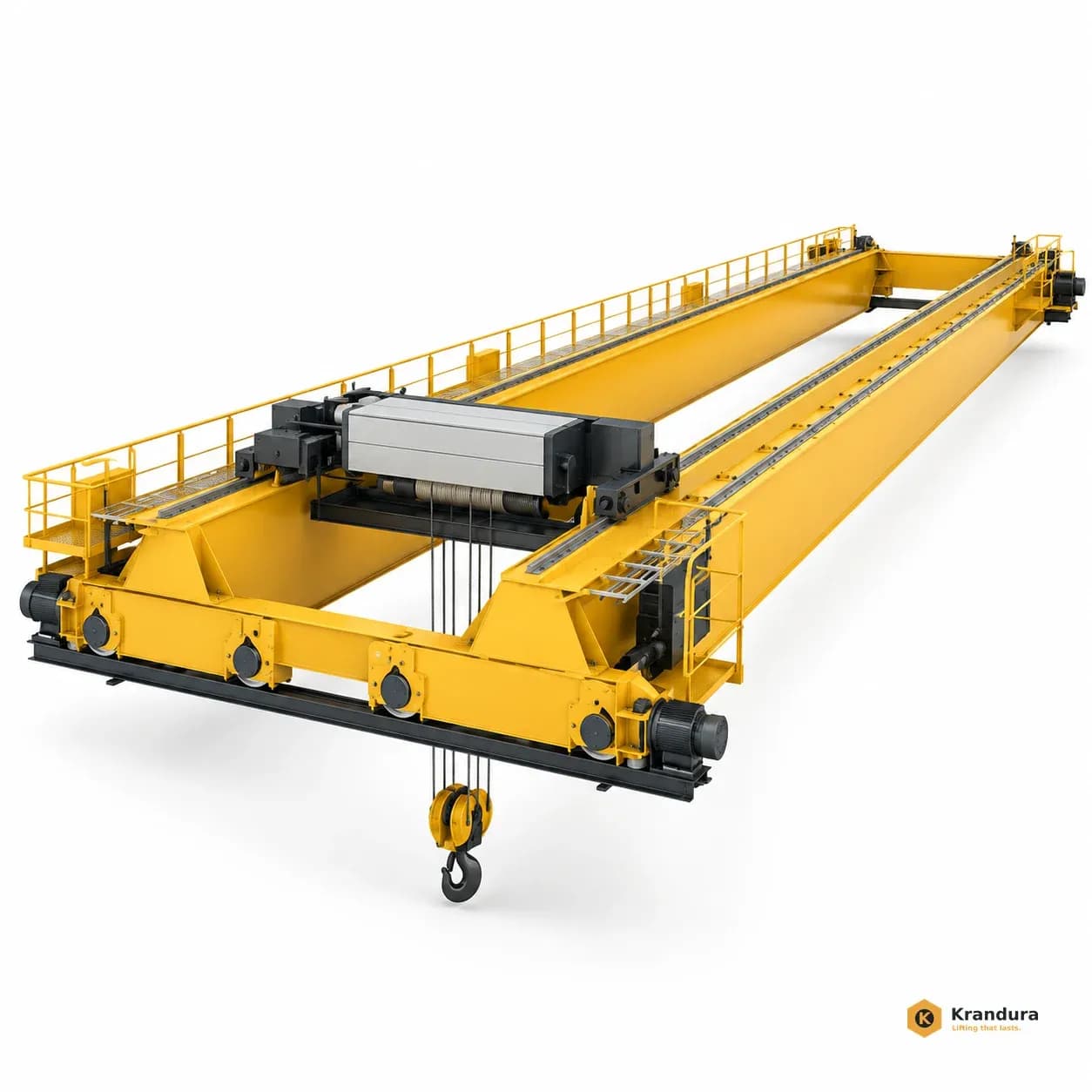
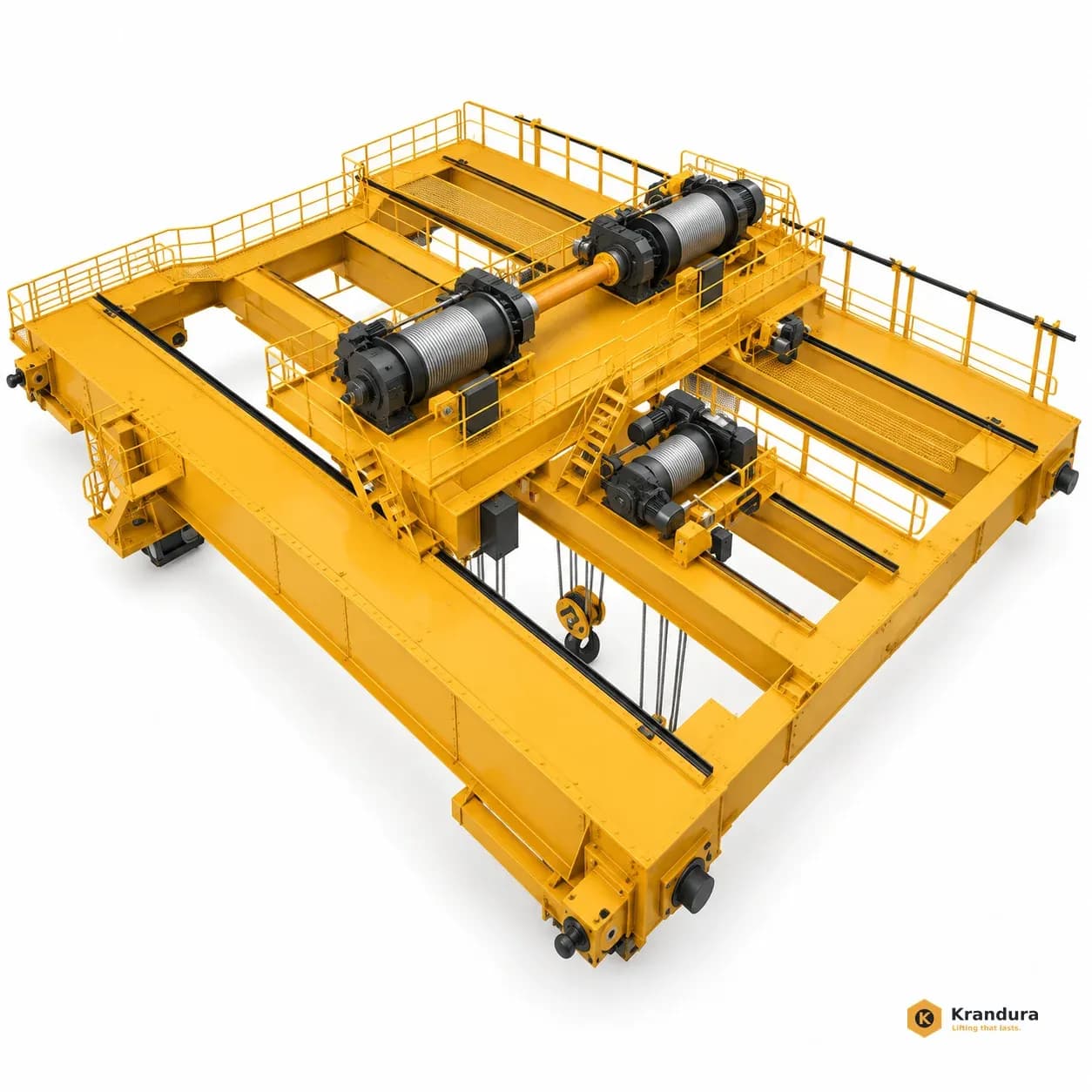
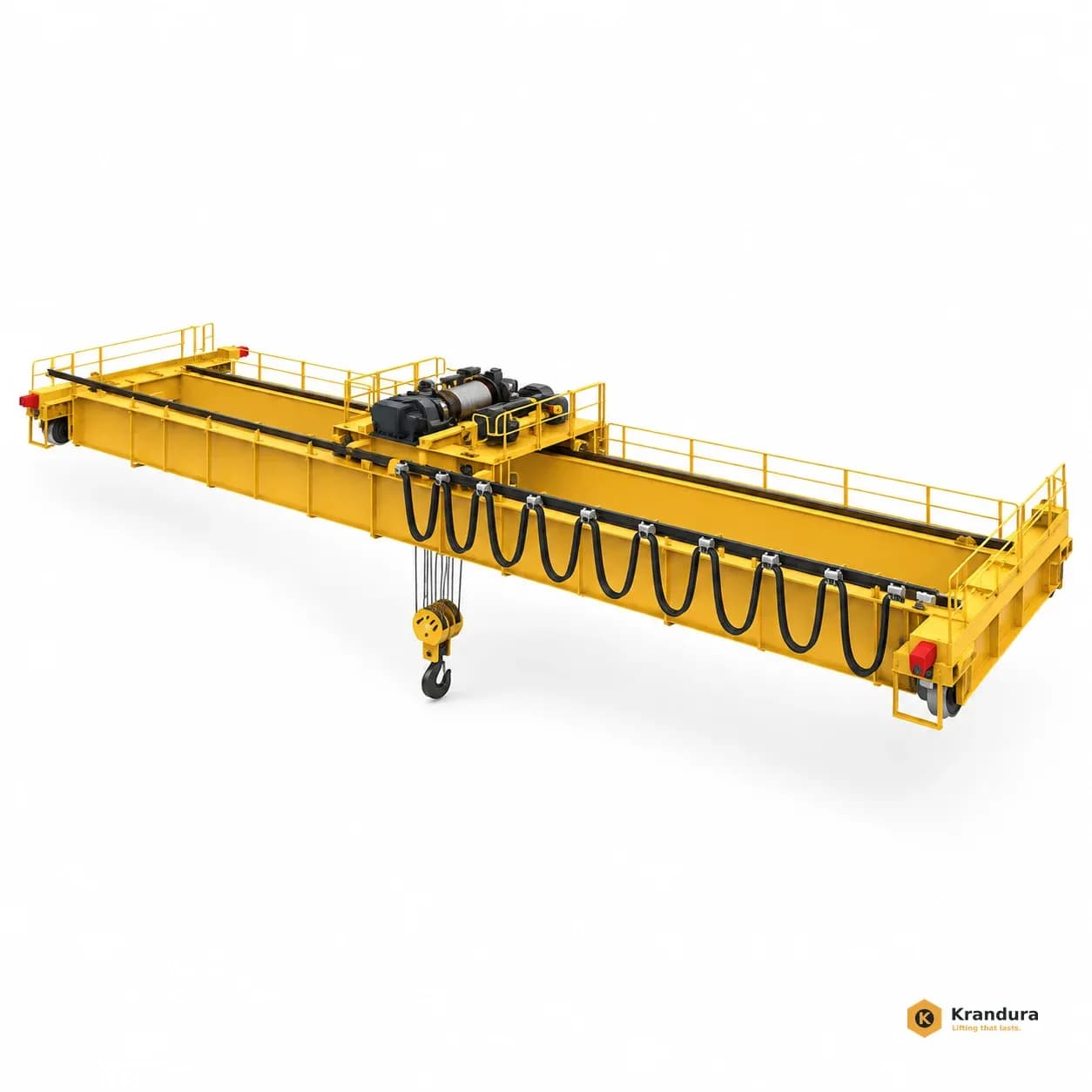
Related Projects
All projectsPlanning a foundry project? Send the capacity, span and lift height and we will confirm the configuration.
Request a Quote